
Complete Guide to Coffee
Everything you need to know about coffee from farm to cup: how coffee is grown, harvested, processed, roasted, brewed, tasted, and chosen.
Table of Contents
- What Is Coffee?
- The Coffee Plant
- How Coffee Is Grown
- How Coffee Is Harvested
- How Coffee Is Processed
- Arabica, Robusta, and Coffee Varieties
- Coffee Origins
- Coffee Roasting
- Coffee Flavor
- Coffee Brewing
- Freshness, Grinding, and Storage
- Specialty Coffee
- How to Buy Better Coffee
- Recommended FSRC Coffees
- Frequently Asked Questions
What Is Coffee?
Coffee is a brewed drink made from roasted coffee seeds. Those seeds are usually called “coffee beans,” but they actually begin inside coffee cherries that grow on coffee trees. After the cherries are harvested, the seeds are processed, dried, exported, roasted, ground, and brewed.
That means coffee is both simple and incredibly complex. At its simplest, it is roasted seeds brewed with water. At its deepest, it is agriculture, chemistry, climate, roasting science, brewing technique, and personal taste all in one cup.

The Coffee Plant
Coffee grows on trees or shrubs in tropical regions around the world. The fruit is called a coffee cherry. Inside most cherries are two seeds. Those seeds are what eventually become roasted coffee beans.
Coffee plants are affected by altitude, soil, rainfall, temperature, shade, variety, disease pressure, and farm management. These growing conditions help explain why coffees from different origins taste so different.
Learn more in How Coffee Is Grown, Coffee Altitude Explained, and Shade Grown Coffee Explained.
How Coffee Is Grown
Great coffee begins on the farm. Before roasting and brewing ever happen, farmers must manage plants, soil, climate, pests, disease, harvest timing, and processing.
Altitude
Higher elevation often means cooler temperatures and slower cherry development. That slower growth can contribute to denser beans, brighter acidity, and more complex flavor.
Shade
Shade grown coffee is grown under tree cover. Shade can support biodiversity, soil health, slower ripening, and more resilient farms.
Disease Pressure
Coffee farms face risks like coffee leaf rust, which can reduce harvests, increase costs, and affect long-term farm decisions.
How Coffee Is Harvested
Coffee is harvested by picking ripe coffee cherries from the tree. The ripeness of the cherry has a major impact on sweetness, acidity, consistency, and defects.
In higher-quality coffee, cherries are often selectively picked by hand. That means pickers choose ripe cherries and leave unripe cherries on the tree to mature. This takes more labor and time, but it can produce cleaner, sweeter coffee.
Strip picking and mechanical harvesting can be faster, but they may mix ripe, unripe, and overripe cherries together. Sorting becomes especially important when cherries are harvested this way.
Learn more in How Coffee Is Harvested and Why Coffee Prices Change.
How Coffee Is Processed
Processing is the step that turns coffee cherries into dry green coffee ready for export and roasting. Processing can dramatically change flavor.
| Processing Method | How It Works | Common Flavor Impact |
|---|---|---|
| Washed Process | Fruit is removed before drying. | Clean, bright, crisp, clear, balanced. |
| Natural Process | Coffee dries inside the whole fruit. | Fruity, sweet, heavier body, sometimes wine-like. |
| Honey Process | Some fruit mucilage remains during drying. | Sweet, syrupy, balanced between washed and natural. |
Learn more in How Coffee Is Processed.
Arabica, Robusta, and Coffee Varieties
Arabica Coffee
Arabica is the species most commonly associated with specialty coffee. It is often prized for sweetness, acidity, aroma, and complexity.
French Settlement Roasting Co focuses on organic, specialty-grade Arabica coffee.
Robusta Coffee
Robusta tends to have more caffeine, heavier bitterness, and a stronger, more earthy flavor. It is often used in commercial blends and some espresso blends.
Robusta is not automatically bad, but it is different from the Arabica coffees many specialty coffee drinkers prefer.
Coffee Varieties
Within Arabica, there are many varieties. Varieties can affect flavor, yield, disease resistance, plant structure, and farm resilience. This is especially important when farmers face challenges like coffee leaf rust.
Coffee Origins
Coffee origin matters because geography changes flavor. Soil, altitude, rainfall, temperature, variety, processing, and farm practices all shape the cup.
Colombia
Often balanced, sweet, chocolatey, nutty, and approachable with pleasant acidity.
Ethiopia
Known for floral, fruity, bright, tea-like, and expressive flavor profiles.
Honduras
Often smooth and sweet with chocolate, caramel, brown sugar, citrus, or apple-like notes.
Peru
Frequently smooth, clean, chocolatey, floral, creamy, and bright with citrus acidity.
Single Origin Coffee
Single origin coffee comes from one identifiable place, such as a country, region, farm, estate, or producer group.
Estate & Micro-Lot Coffee
Estate and micro-lot coffees offer more specific traceability and can highlight farm-level or lot-level differences.
Learn more in Why Different Origins Taste Different and What Is Micro-Lot Coffee?.
Coffee Roasting
Roasting transforms green coffee into the aromatic brown beans we grind and brew. Heat changes the coffee’s color, aroma, sweetness, acidity, body, bitterness, and flavor.
Light roasts tend to preserve more origin character and acidity. Medium roasts often balance sweetness, body, and flavor clarity. Darker roasts emphasize roast character, deeper body, and lower perceived acidity, but can become bitter if pushed too far.
Bean density also matters. Dense coffees may respond differently to heat than softer coffees. This is one reason skilled roasting is more than simply choosing light, medium, or dark.
Learn more in Coffee Roast Levels Explained and Coffee Bean Density Explained.
Coffee Flavor
Coffee can taste chocolatey, fruity, nutty, floral, smoky, earthy, bright, smooth, bitter, sweet, or complex. Flavor comes from farming, processing, roasting, freshness, and brewing.
Bitterness
Bitterness can come from roast level, over extraction, stale coffee, wrong grind size, or brewing too hot.
Smoothness
Smooth coffee usually has balanced extraction, good sweetness, lower harshness, fresh roasting, and the right coffee for your taste.
Acidity
Acidity in coffee is not the same as sourness. Good acidity can taste bright, citrusy, fruity, crisp, or lively.
Flavor Wheel
The coffee flavor wheel helps explain tasting notes like chocolate, caramel, berry, citrus, floral, nutty, and spice.
Caffeine
Caffeine depends on coffee species, dose, brew method, serving size, and extraction.
Cupping
Cupping is the professional tasting method used to evaluate coffee aroma, sweetness, acidity, body, balance, and defects.
Coffee Brewing
Brewing is where all the work from the farm, mill, roaster, and grinder turns into a cup of coffee. Small changes in grind size, ratio, water temperature, and brew time can dramatically change flavor.
Grind Size
Fine coffee extracts faster. Coarse coffee extracts slower. Matching grind size to your brew method is one of the easiest ways to improve coffee.
Coffee Bloom
Bloom is the bubbling that happens when hot water first touches fresh coffee grounds. It helps release gas and improve even extraction.
Extraction
Extraction is water pulling flavor from coffee. Under extraction tastes sour or weak. Over extraction tastes bitter or harsh.
Water Temperature
Most hot coffee brews best around 195°F to 205°F. Hotter extracts faster. Cooler extracts slower.
Ratio
Coffee-to-water ratio controls strength and balance. Measuring helps you repeat a great cup.
Troubleshooting
If coffee tastes sour, extract more. If it tastes bitter, extract less. If it tastes weak, check your ratio first.
Brewing Method Guides
Best Coffee for Cold Brew
Choose smooth, bold coffees for cold brew and concentrate.
Best Coffee for Espresso
Choose coffees with body, sweetness, and crema.
Best Coffee for French Press
Choose rich, full-bodied coffees for immersion brewing.
Best Coffee for Drip Coffee Makers
Choose balanced daily coffees for automatic brewers.
Best Coffee for Pour Over
Choose clean, bright, expressive coffees for manual brewing.
Best Coffee for Iced Coffee
Choose coffees that stay flavorful over ice.
Freshness, Grinding, and Storage
Coffee freshness matters because roasted coffee slowly loses aroma, sweetness, bloom, and liveliness. Whole bean coffee stays fresher longer than ground coffee because less surface area is exposed to oxygen.
Grinding coffee right before brewing gives you more aroma and better control over extraction. Pre-ground coffee is convenient, but it loses freshness faster.
Store coffee sealed tightly, away from heat, light, air, and moisture. Buy amounts you can use while fresh instead of letting coffee sit for months.
Learn more in Why Fresh Roasted Coffee Tastes Better, Why Freshly Ground Coffee Tastes Better, and Whole Bean vs Ground Coffee.
Specialty Coffee
Specialty coffee is coffee evaluated for quality, clean flavor, careful sourcing, fewer defects, and better cup potential. It is not just expensive coffee. It is coffee treated with more care throughout the chain.
Cupping
Professionals use cupping to evaluate aroma, sweetness, acidity, body, balance, aftertaste, and defects.
Direct Trade
Direct trade focuses on sourcing relationships, transparency, quality incentives, and better communication.
Fair Trade
Fair Trade focuses on certified trading standards, producer protections, and pricing structures.
Organic Coffee
Organic coffee focuses on how coffee is grown and which inputs are avoided during farming.
Micro-Lots
Micro-lot coffee is a small, separated batch chosen for quality, uniqueness, traceability, or limited availability.
Prices
Coffee prices are shaped by farming risk, supply, demand, labor, shipping, quality, packaging, and roasting.
How to Buy Better Coffee
Buying better coffee starts with understanding your taste and brewing method. Some people want smooth, low-bitterness coffee. Some want bright, fruity coffee. Some want bold, strong coffee. Some want convenience, while others want maximum freshness.
Look for coffee that tells you:
- Origin or blend name
- Roast level
- Tasting notes
- Best brewing methods
- Whole bean or ground options
- Fresh roasting
- Clear product descriptions
Helpful guides: Best Coffee for Beginners, Whole Bean vs Ground Coffee, and Coffee Finder.
Recommended FSRC Coffees
Put everything you learned into practice by tasting different origins, roast styles, and blends.
Colombian
Chocolate and cherry flavors with creamy body, refined acidity, and a sweet finish.

Ethiopian
Floral, bright, complex, and expressive with fruit and tea-like character.



Jet Fuel
Bold organic espresso blend with dark chocolate, vanilla, cinnamon, earthy undertones, low acidity, and a strong caffeine kick.
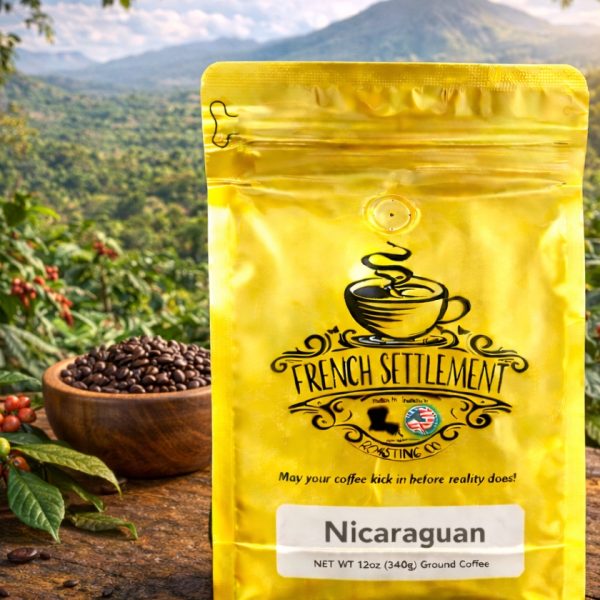
Bloody Angola Blend
Bold, full-bodied, smooth, and excellent for drip, French press, espresso, and cold brew.
Fresh Coffee Every Month
A coffee subscription is the easiest way to keep fresh roasted coffee on hand while learning which origins, roast styles, and brew methods you enjoy most.
Wholesale Coffee
Cafes, offices, restaurants, churches, retailers, and organizations need coffee that tastes good and comes with a story customers can understand.
Frequently Asked Questions
What is coffee made from?
Coffee is made from roasted seeds found inside coffee cherries. Those seeds are commonly called coffee beans.
What is the difference between Arabica and Robusta?
Arabica is usually smoother, sweeter, and more complex. Robusta often has more caffeine, stronger bitterness, and heavier earthy flavors.
What is specialty coffee?
Specialty coffee is quality-focused coffee evaluated for clean flavor, fewer defects, careful sourcing, and strong cup potential.
Why does coffee taste bitter?
Coffee can taste bitter because of roast level, over extraction, stale coffee, wrong grind size, water temperature, or brewing too long.
What is the best coffee for beginners?
Smooth, balanced coffees like Colombian, Peru, and Honduras are often excellent starting points.
Is whole bean coffee better?
Whole bean coffee usually keeps freshness longer and lets you grind for your exact brewing method.
What grind size should I use?
Espresso uses fine grind, drip uses medium, pour over uses medium-fine to medium, French press uses coarse, and cold brew uses coarse.
What temperature should coffee be brewed at?
Most hot coffee brews well between 195°F and 205°F, with 200°F being a strong starting point.
What is coffee bloom?
Coffee bloom is the bubbling that happens when hot water first touches fresh ground coffee and carbon dioxide escapes.
Why do different origins taste different?
Origins taste different because of altitude, soil, climate, variety, processing, harvest quality, roasting, and brewing.
You Might Also Like
Coffee Education Center
Explore the full FSRC coffee education library.
Complete Guide to Coffee Origins
Explore coffee origins, regions, and flavor profiles.
Complete Guide to Specialty Coffee
Learn about cupping, sourcing, grading, and quality.