
Estate Coffee vs Single Origin Coffee
Estate coffee and single origin coffee both help explain where coffee comes from, but they do not mean the same thing. Understanding the difference can help you choose better coffee and understand why some coffees taste more unique than others.
The Simple Answer
Single origin coffee comes from one identifiable place. That place may be a country, region, cooperative, farm, or producer group.
Estate coffee is usually more specific. It typically comes from one farm, estate, or plantation where the coffee is grown, harvested, and often processed under one operation or ownership structure.
Estate Coffee vs Single Origin Coffee: Quick Comparison
| Term | What It Means | How Specific Is It? | Best For |
|---|---|---|---|
| Single Origin Coffee | Coffee from one country, region, cooperative, farm, or producer group. | Specific, but the level of detail can vary. | Learning how place affects flavor. |
| Estate Coffee | Coffee from one estate, farm, or plantation. | Usually more specific than general single origin coffee. | Traceability, consistency, and farm-level identity. |
| Micro-Lot Coffee | A small separated batch chosen for quality, uniqueness, or limited availability. | Often the most specific of the three. | Limited releases, unique flavor, specialty coffee exploration. |
| Blend | Coffee intentionally combined from multiple components. | Less about one place, more about balance and purpose. | Espresso, cold brew, consistency, bold profiles. |

Why These Terms Matter
Coffee flavor is shaped by where the coffee grows. Soil, altitude, rainfall, shade, variety, processing, and farm practices all influence the final cup.
Labels like single origin and estate coffee help tell that story. They give customers clues about traceability, consistency, and flavor identity.
A coffee like FSRC Colombian gives customers a clear origin experience with chocolate and cherry flavors, creamy body, refined acidity, and a sweet finish.
What Is Single Origin Coffee?
Single origin coffee means the coffee comes from one identifiable origin instead of being blended from multiple origins. The word “origin” can be broad or specific depending on how the coffee is sourced and labeled.
Single origin may refer to:
- One country, such as Colombia, Ethiopia, Honduras, or Peru
- One region within a country
- One cooperative or producer group
- One farm or estate
- One specific lot or micro-lot
That is why single origin coffee can vary widely. A single origin coffee from one country may be broad and approachable, while another may be highly traceable and farm-specific.
Read: What Is Single Origin Coffee? | Read: Why Different Origins Taste Different
What Is Estate Coffee?
Estate coffee usually means coffee grown on one farm, estate, or plantation. Because it comes from a more specific place, estate coffee often gives customers a clearer picture of where the coffee was grown and how it was produced.
Estate coffee may be more consistent from harvest to harvest because the same farm or operation controls many of the growing and processing decisions. That can include variety selection, harvesting standards, processing methods, drying practices, and quality control.
But estate coffee is not automatically better. A well-run cooperative, micro-lot, or regional single origin can be outstanding. The value of estate coffee is mainly traceability, identity, and the ability to connect the cup back to a specific place.
Beginner Guide: Which One Should You Buy?
Choose Single Origin If…
You want to learn how different countries and regions taste. Single origin coffee is a great way to compare Colombia, Ethiopia, Honduras, Peru, Sumatra, Timor, Brazil, Costa Rica, and other growing areas.
Choose Estate Coffee If…
You want a more specific farm-level story and a stronger sense of traceability. Estate coffees can be especially interesting for customers who enjoy learning about producers, farms, and growing conditions.
Choose Micro-Lot Coffee If…
You want something limited, unique, and more specific than a standard origin offering. Micro-lots are often chosen because they have standout quality, flavor, or rarity.
Choose a Blend If…
You want consistency, strength, body, or a specific purpose like espresso, cold brew, or bold drip coffee. Blends are not inferior. A great blend is built with intention.
Try Jet Fuel or Bloody Angola Blend.
Why Estate Coffee Can Be Valuable
Traceability
Estate coffee often gives customers a clearer connection to one farm, one place, and one production system.
Consistency
Because one operation may control growing and processing, estate coffee can sometimes offer more consistent flavor identity.
Farm Identity
Estate coffee can highlight the work, methods, and standards of a specific farm or producer.
Quality Control
A well-managed estate may control harvest timing, sorting, processing, drying, and storage very carefully.
Flavor Clarity
Estate coffee can show a clear expression of one farm’s soil, climate, variety, and processing choices.
Better Storytelling
Customers often enjoy coffee more when they understand where it came from and why it tastes the way it does.
Advanced Explanation: Origin Labels Are a Spectrum
Coffee origin labels are not all equally specific. “Single origin” can be broad or narrow, depending on how much traceability is available.
From broadest to most specific, the spectrum often looks like this:
- Country-level single origin
- Region-level single origin
- Cooperative-level coffee
- Estate or farm-level coffee
- Lot-specific coffee
- Micro-lot coffee
- Variety-specific or process-specific experimental lot
The more specific the origin, the easier it can be to understand why the coffee tastes a certain way. But specificity alone is not enough. A highly traceable coffee still has to be grown well, processed carefully, roasted skillfully, and brewed properly.
This is why specialty coffee education matters. Terms like estate, single origin, direct trade, micro-lot, altitude, processing, and bean density all help explain the bigger story behind the cup.
Read: What Is Direct Trade Coffee? | Read: Coffee Bean Density Explained | Read: How Coffee Is Processed
Does Estate Coffee Taste Better Than Single Origin Coffee?
Not automatically. Estate coffee may be more traceable, but quality still depends on the farm’s standards, harvesting, processing, drying, storage, roasting, freshness, and brewing.
A great estate coffee can be exceptional. A great regional single origin can also be exceptional. A well-designed blend can be better for espresso or cold brew than either one.
Instead of asking which label is best, ask what the coffee is supposed to do. Is it built for bright pour over? Smooth daily drip coffee? Low-acid cold brew? Bold espresso? The best coffee is the one that fits your taste and brewing method.
Which FSRC Coffees Should You Try?
To explore origin character, traceability, and flavor differences, start with these FSRC coffees.
Colombian
Chocolate and cherry flavors with a creamy body, refined acidity, and a sweet finish. A smooth, balanced way to explore origin character.

Ethiopian
Floral, bright, and complex with molasses, peach, nectarine, star fruit, and a light tea-like body. Excellent for exploring expressive origin flavor.

Honduras
Milk chocolate, brown sugar, caramel, orange, and red apple notes. Smooth, approachable, and excellent for everyday drinking.

Peru
Smooth, sweet, chocolatey, floral, creamy, and bright with citrus acidity. A clean daily coffee with approachable specialty character.
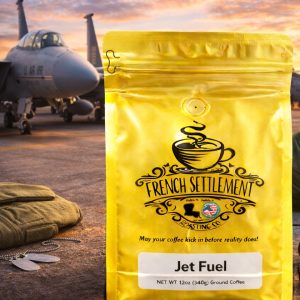
Jet Fuel
A bold organic espresso blend with dark chocolate, smooth vanilla, cinnamon, earthy undertones, low acidity, and a strong caffeine kick.
Bloody Angola Blend
Bold, full-bodied, smooth, and built for customers who want depth and strength. Excellent for drip, French press, espresso, and cold brew.
How to Taste the Difference at Home
The easiest way to understand estate coffee, single origin coffee, and blends is to compare coffees side by side.
Try this simple tasting method:
- Choose two different coffees.
- Use the same brewing method.
- Use the same coffee-to-water ratio.
- Use the same grind size.
- Use the same water temperature.
- Let both coffees cool slightly before judging flavor.
- Compare sweetness, acidity, body, aroma, and finish.
Try comparing Ethiopian against Peru, or Colombian against Honduras. Then compare a single origin against a blend like Jet Fuel or Bloody Angola Blend.
Use the Coffee-to-Water Calculator | Read the Coffee Grind Size Chart
Want to Explore Origin Differences Without Guessing?
A coffee subscription is one of the easiest ways to taste how origin, roast, body, processing, and freshness change the final cup.
Frequently Asked Questions
What is estate coffee?
Estate coffee is usually coffee grown on one farm, estate, or plantation. It often provides a more specific farm-level identity than broader single origin coffee.
What is single origin coffee?
Single origin coffee comes from one identifiable place, such as one country, region, cooperative, farm, estate, or producer group.
Is estate coffee the same as single origin coffee?
Not exactly. Estate coffee is usually a more specific type of single origin coffee because it comes from one farm or estate. Single origin can be broader and may refer to a country, region, or cooperative.
Is estate coffee better than single origin coffee?
Not automatically. Estate coffee can offer strong traceability and identity, but quality still depends on farming, processing, roasting, freshness, and brewing.
Is single origin coffee better than a blend?
Not always. Single origin coffee is great for exploring regional flavor. Blends are great for consistency, espresso, cold brew, bold flavor, and balance.
What is the difference between estate coffee and micro-lot coffee?
Estate coffee usually comes from one farm or estate. Micro-lot coffee is a small separated batch chosen for quality, uniqueness, traceability, or limited availability. A micro-lot can come from an estate, but not every estate coffee is a micro-lot.
You Might Also Like
What Is Single Origin Coffee?
Learn what single origin means and why origin matters in the cup.
What Is Micro-Lot Coffee?
Understand small separated lots, traceability, rarity, and unique flavor.
What Is Direct Trade Coffee?
Learn how sourcing relationships, transparency, and quality incentives shape better coffee.
Why Different Origins Taste Different
See how geography, climate, soil, variety, and processing change coffee flavor.
Coffee Bean Density Explained
See how density connects altitude, roasting, extraction, and flavor.
Why Coffee Prices Change
Learn why specialty coffee prices move and why quality coffee costs more.