
What Is Coffee Cupping?
Coffee cupping is the professional way roasters, buyers, and coffee tasters evaluate aroma, flavor, acidity, body, sweetness, balance, and aftertaste. Here is what cupping means and how it helps you understand coffee better.
The Simple Answer
Coffee cupping is a standardized tasting method used to compare coffees side by side. Instead of brewing each coffee with a different machine or recipe, cupping keeps the process simple and consistent so the coffee itself can be evaluated.
Cupping may look unusual at first because tasters smell dry grounds, pour hot water directly over coffee, break the crust, skim the surface, and taste with a spoon. But the goal is simple: understand what the coffee really tastes like.
Why Coffee Cupping Matters
Cupping helps coffee professionals evaluate coffee more fairly. It removes as many variables as possible so the focus stays on the coffee.
Quality Control
Roasters use cupping to make sure coffee tastes clean, consistent, fresh, and true to the intended roast.
Flavor Discovery
Cupping helps identify natural flavor notes like chocolate, berry, citrus, caramel, spice, floral, nutty, or earthy tones.
Origin Comparison
Tasting coffees side by side makes it easier to notice how origins, elevations, processing methods, and roast levels differ.
Roast Evaluation
Cupping helps roasters decide whether a coffee tastes balanced, underdeveloped, overdeveloped, too bright, too bitter, or just right.
The Coffee Cupping Process
The process is simple, but each step helps reveal something about the coffee.
Basic Cupping Flow
How Coffee Cupping Works Step by Step
1. Measure the Coffee
Each sample is measured the same way so the comparison is fair. Consistency matters because different ratios can change flavor.
2. Smell the Dry Grounds
Before water is added, tasters smell the dry coffee. This reveals aroma notes like chocolate, fruit, nuts, spice, flowers, smoke, or earthiness.
3. Add Hot Water
Hot water is poured directly over the grounds. The coffee steeps in the cup, similar to an immersion brew.
4. Break the Crust
Grounds float to the top and form a crust. Tasters break the crust with a spoon and smell the aroma released from the coffee.
5. Skim the Surface
Floating grounds and foam are skimmed away so the coffee can be tasted more clearly.
6. Taste With a Spoon
Tasters slurp the coffee from a spoon to spread it across the palate and notice aroma, flavor, body, acidity, sweetness, and aftertaste.
What Do Professionals Look For?
Coffee cupping is not just about whether coffee tastes good. It looks at several parts of the cup.
| Cupping Category | What It Means | Example Questions |
|---|---|---|
| Aroma | What the coffee smells like before and after water is added. | Chocolatey, fruity, floral, nutty, smoky, earthy? |
| Flavor | The overall taste impression of the coffee. | Is it rich, sweet, bright, bold, clean, or complex? |
| Acidity | The brightness, liveliness, or crispness in the cup. | Is it pleasant and bright, or sharp and sour? |
| Body | How the coffee feels in your mouth. | Light, creamy, syrupy, full, heavy? |
| Sweetness | The natural pleasant sweetness in the coffee. | Does it remind you of caramel, fruit, honey, or brown sugar? |
| Aftertaste | The flavor that remains after swallowing. | Clean, sweet, dry, bitter, smoky, lingering? |
| Balance | How well all parts of the coffee work together. | Does anything overpower the cup? |
Helpful guide: Coffee Flavor Wheel Explained
Cupping vs. Regular Brewing
Cupping is not meant to replace your favorite brewing method. It is a tasting method, not necessarily the way most people want to drink coffee every morning.
| Method | Main Goal | Best For |
|---|---|---|
| Cupping | Evaluate coffee consistently and compare samples. | Roasters, buyers, tasting, education, quality control. |
| Drip Coffee | Convenient, balanced daily coffee. | Home, office, everyday drinking. |
| Pour Over | Controlled brewing with clarity and detail. | People who enjoy hands-on brewing. |
| French Press | Rich, full-bodied coffee. | People who enjoy body and texture. |
If you want to brew coffee for drinking instead of evaluating, start with one of these: Best Coffee For Drip Coffee Makers, Best Coffee For Pour Over, or Best Coffee For French Press.
Can You Cup Coffee at Home?
Yes. You do not need a professional lab to try coffee cupping at home. You just need fresh coffee, hot water, cups, spoons, and a way to compare samples fairly.
- Choose two or three coffees: Comparing coffees side by side makes differences easier to notice.
- Use the same amount of coffee and water: Keep the ratio consistent for every sample.
- Grind the coffees the same way: A medium-coarse grind is a good beginner starting point.
- Smell the dry grounds: Write down what each coffee reminds you of.
- Add hot water and steep: Let the coffee steep before breaking the crust.
- Break the crust and smell again: This is one of the most aromatic moments in cupping.
- Taste and compare: Notice aroma, flavor, acidity, body, sweetness, and aftertaste.
Need a consistent brewing ratio? Use our Coffee-to-Water Calculator.
Why Do Tasters Slurp Coffee?
Slurping spreads coffee across the tongue and helps aroma reach the nose. Since much of flavor comes from aroma, slurping can help tasters notice more detail.
Cupping is about paying attention. If slurping feels awkward, simply taste carefully and focus on what you notice.
How Cupping Connects to Specialty Coffee
Cupping is one of the ways coffee professionals evaluate quality. It helps identify clean flavor, sweetness, body, balance, defects, origin character, and roast quality.
Learn more: What Is Specialty Grade Coffee?
How Origin, Processing, and Altitude Show Up in Cupping
Cupping is one of the easiest ways to taste how coffee changes based on where and how it was grown.
Origin
Single origin coffees can show unique character from a country, region, farm, or cooperative.
Processing
Washed, natural, and honey processing can affect fruitiness, clarity, sweetness, and body.
Altitude
Coffee altitude can influence acidity, sweetness, density, brightness, and complexity.
Coffees To Compare Side by Side
If you want to understand coffee flavor, compare two or three different coffees using the same brew method. These are great starting points.

Colombian
Smooth, creamy, balanced, and naturally sweet with chocolate and cherry notes. Colombian is a great starting point for learning balance, sweetness, body, and smoothness.
Shop Colombian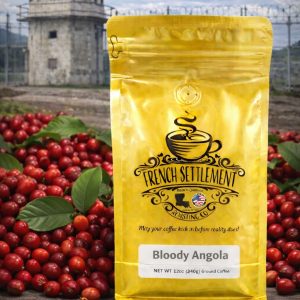
Bloody Angola Blend
Rich, bold, smooth, and full-bodied with deep chocolate notes and smoky undertones. Compare this with Colombian to notice body, depth, and boldness.
Shop Bloody Angola Blend
Jet Fuel
Bold, low-acid, medium-dark, and strong with dark chocolate, vanilla, cinnamon, and earthy notes. Compare this with smoother coffees to understand strength, roast depth, and intensity.
Shop Jet FuelBeginner Cupping Notes to Use
You do not need fancy tasting language. Start with simple words.
- Aroma: chocolatey, nutty, fruity, smoky, floral, earthy, sweet.
- Flavor: smooth, bold, bright, rich, sweet, bitter, clean, deep.
- Acidity: soft, bright, lively, sharp, citrusy, mellow.
- Body: light, creamy, syrupy, full, heavy, thin.
- Finish: clean, lingering, dry, sweet, smoky, bitter.
- Overall: balanced, intense, mild, complex, simple, enjoyable.
The goal is not to impress anyone. The goal is to learn what you enjoy.
Why Fresh Coffee Matters in Cupping
Cupping stale coffee makes it harder to taste what the coffee was supposed to be. Fresh coffee usually has more aroma, sweetness, clarity, and life.
Helpful guides: Why Fresh Roasted Coffee Tastes Better and How To Store Coffee Properly.
The Bottom Line
Coffee cupping is a professional tasting method used to evaluate coffee consistently. It helps reveal aroma, flavor, acidity, body, sweetness, balance, aftertaste, and quality.
You do not need to be a certified taster to appreciate coffee. Taste carefully, compare coffees side by side, and trust what you notice.
Ready To Taste Coffee More Intentionally?
Start with fresh-roasted coffee from French Settlement Roasting Co. and compare smooth, bold, balanced, and strong coffees side by side.
Shop Colombian Start a Coffee SubscriptionFrequently Asked Questions
What is coffee cupping?
Coffee cupping is a standardized tasting method used to evaluate coffee aroma, flavor, acidity, body, sweetness, balance, aftertaste, and quality.
Why do coffee professionals cup coffee?
Professionals cup coffee to compare samples fairly, identify flavor notes, check quality, evaluate roast development, and detect defects.
Can I cup coffee at home?
Yes. You can cup coffee at home with fresh coffee, hot water, cups, spoons, and consistent measurements.
Why do coffee tasters slurp?
Slurping helps spread coffee across the palate and increases aroma perception, making flavors easier to notice.
Is cupping the same as brewing coffee?
No. Cupping is mainly for tasting and evaluation. Brewing methods like drip, pour over, French press, and espresso are designed for drinking coffee the way you enjoy it.
What should beginners look for when cupping coffee?
Beginners should start with aroma, flavor, acidity, body, sweetness, aftertaste, and overall enjoyment.
What French Settlement Roasting Co. coffee should I cup first?
Colombian is a great starting point because it is smooth, creamy, balanced, naturally sweet, and easy to compare against bolder coffees like Bloody Angola Blend or Jet Fuel.
Note: Coffee tasting is partly objective and partly personal. Flavor depends on origin, variety, processing, roast level, freshness, grind size, water, brewing method, and personal preference.