
What Is Fair Trade Coffee?
Fair Trade coffee is coffee connected to a certification system designed to support better trading conditions, minimum pricing protections, and more stable opportunities for coffee producers. But Fair Trade, organic coffee, direct trade, and specialty coffee do not all mean the same thing.
The Simple Answer
Fair Trade coffee is coffee produced and sold through a system meant to help protect farmers from the extreme ups and downs of the global coffee market. In many Fair Trade systems, certified producers must meet certain standards, and buyers pay according to minimum pricing or premium structures.
The goal is to create a more stable and fairer coffee supply chain. Fair Trade can help support producer organizations, community development, and more predictable income. But it is important to understand that Fair Trade is not the same thing as organic, direct trade, or specialty coffee.
Why Fair Trade Coffee Exists
1. Coffee Prices Can Be Unstable
Coffee is traded globally, and prices can rise or fall because of weather, crop yields, demand, fuel costs, shipping, labor, disease, and commodity markets.
2. Farmers Need Stability
Coffee producers face real costs long before coffee reaches a roaster. Farming, harvesting, processing, drying, storage, and transport all require labor and investment.
3. Cooperatives Need Support
Fair Trade often works through producer groups or cooperatives that help small farmers access buyers, organize quality standards, and invest in their communities.
4. Buyers Need Transparency
Certification systems give customers a way to understand that certain social, economic, or environmental standards are part of the sourcing model.
5. Quality Still Matters
Fair Trade does not automatically make coffee taste better. The final cup still depends on origin, variety, processing, roasting, freshness, and brewing.
6. Education Helps Customers Choose
The more you understand coffee labels, the easier it is to choose a coffee that matches your taste, values, and brewing method.

Fair Trade Is One Part of a Bigger Coffee Story
A coffee label can tell you something useful, but it rarely tells the whole story by itself. Fair Trade focuses on trading conditions and producer support. Organic focuses on farming practices. Specialty coffee focuses on cup quality. Fresh roasting focuses on flavor after the coffee reaches the roaster.
That is why French Settlement Roasting Co focuses on education. The better customers understand coffee, the easier it is to appreciate why origin, farming, processing, roasting, and freshness all matter.
For a smooth, sweet, chocolatey, floral, and creamy coffee with bright citrus acidity, try FSRC Organic Peru Coffee.
Fair Trade vs Direct Trade vs Organic vs Specialty Coffee
| Term | What It Focuses On | What It Does Not Automatically Guarantee |
|---|---|---|
| Fair Trade Coffee | Certified trading standards, minimum pricing structures, producer protections, and community-focused premiums. | It does not automatically mean the coffee is organic, roasted fresh, or the highest scoring specialty coffee. |
| Direct Trade Coffee | Closer sourcing relationships, transparency, quality incentives, and direct communication between supply chain partners. | It is not always one universal certification and can mean different things depending on the roaster or importer. |
| Organic Coffee | How the coffee is grown, especially avoiding prohibited synthetic pesticides, fertilizers, and chemicals. | It does not automatically tell you the roast date, cup score, producer relationship, or flavor profile. |
| Specialty Coffee | Cup quality, grading, fewer defects, clean flavor, careful sourcing, and better roasting potential. | It does not automatically mean the coffee is Fair Trade, organic, or direct trade. |
Beginner Guide: How to Think About Fair Trade Coffee
Think Producer Support
Fair Trade was created to help improve trading conditions for producers, especially smallholder farmers who may face unstable prices and limited market access.
Think Certification
Fair Trade is usually tied to formal certification systems with rules, standards, audits, premiums, and labeling requirements.
Think Bigger Than One Label
A Fair Trade label can be meaningful, but you should also consider origin, roast level, freshness, tasting notes, and whether the coffee fits your brewing method.
Think Taste and Values Together
Good coffee should match both your taste and your values. That is why understanding labels helps you buy with more confidence.
Does Fair Trade Coffee Taste Better?
Not automatically. Fair Trade is mainly about trade standards and producer support, not flavor by itself. A Fair Trade coffee can taste excellent, average, or poor depending on the coffee’s origin, variety, harvest quality, processing, storage, roasting, freshness, and brewing.
For flavor, specialty coffee standards are usually more directly connected to cup quality. Specialty coffee looks at things like defects, aroma, sweetness, acidity, body, balance, aftertaste, and cleanliness in the cup.
That does not make Fair Trade unimportant. It simply means Fair Trade answers a different question. Fair Trade asks, “How was this coffee traded?” Specialty coffee asks, “How does this coffee perform in the cup?”
Read: What Is Coffee Cupping? | Read: Why Fresh Roasted Coffee Tastes Better
Advanced Explanation: Why Coffee Ethics Are Complicated
Coffee is one of the most complex agricultural supply chains in the world. A single bag of roasted coffee may involve farmers, pickers, cooperatives, mills, exporters, importers, warehouses, roasters, retailers, and delivery partners.
Fair Trade attempts to address part of this complexity by creating standards and pricing protections. Direct trade tries to address it through relationship-based sourcing and transparency. Organic certification addresses farming inputs and growing practices. Specialty coffee addresses quality.
Each system has strengths and limits. Fair Trade can provide structure and recognition for producer organizations, but it does not automatically guarantee the best cup quality. Direct trade can create strong relationships, but it is not always standardized. Organic certification can support cleaner farming practices, but it does not guarantee freshness or flavor. Specialty coffee can reward cup quality, but it does not always explain social or environmental impact.
A better way to evaluate coffee is to ask:
- Where did the coffee come from?
- Is the origin clearly identified?
- Is it organic or responsibly grown?
- Is it Fair Trade, direct trade, or transparently sourced?
- Is it specialty-grade or quality-focused?
- Was it roasted fresh?
- Does the roaster explain the coffee clearly?
- Does it taste good to you?
Coffee ethics and coffee quality are connected, but they are not the same thing. The best coffee companies help customers understand both.
Fair Trade and Coffee Prices
Coffee prices are affected by far more than the cost of the beans themselves. Weather, harvest size, labor, fuel, shipping, packaging, roasting, equipment, demand, crop disease, and global market conditions all influence what coffee costs.
Fair Trade exists partly because coffee farmers can be vulnerable when market prices drop too low. Minimum pricing and premium structures are designed to provide more stability and support.
Specialty coffee often costs more for a different but related reason: it requires careful farming, selective harvesting, better processing, sorting, quality control, roasting skill, and freshness.
Which FSRC Coffees Should You Try?
If you want fresh roasted coffee with clear flavor direction and strong educational transparency, these FSRC coffees are great places to start.
Organic Peru
Smooth, sweet, chocolatey, floral, creamy, and bright with citrus acidity. A great choice for customers who want a clean and approachable organic coffee.

Organic Colombian
Chocolate and cherry flavors with a creamy body, refined acidity, and a naturally sweet finish. Excellent for everyday coffee drinkers.

Honduras
Milk chocolate, brown sugar, caramel, orange, and red apple notes. Smooth, balanced, and easy to enjoy every day.

Ethiopian
Floral, bright, and complex with molasses, peach, nectarine, star fruit, and a light tea-like body. A great choice for exploring origin character.
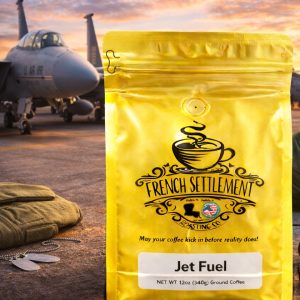
Jet Fuel
A bold organic espresso blend with dark chocolate, smooth vanilla, cinnamon, earthy undertones, low acidity, and a strong caffeine kick.
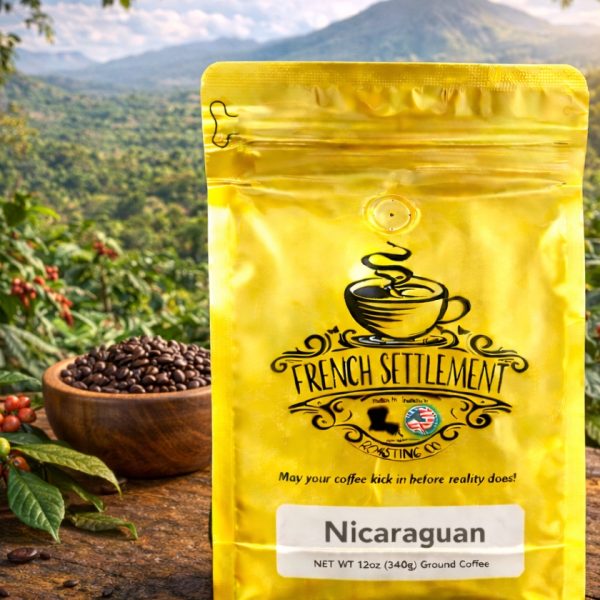
Bloody Angola Blend
Bold, full-bodied, smooth, and built for customers who want depth and strength. Excellent for drip, French press, espresso, and cold brew.
How to Buy Better Coffee Without Getting Lost in Labels
Coffee labels can be helpful, but they should not be the only thing you use to choose coffee. Instead, look for a complete picture.
Before buying coffee, look for:
- Clear origin information
- Organic or responsible growing practices
- Transparent sourcing language
- Roast level
- Tasting notes
- Recommended brewing methods
- Fresh roasting
- A roaster that educates instead of only selling
The best coffee for you is the one that fits your taste, brewing method, and values.
If you like smooth coffee, start with Organic Peru, Organic Colombian, or Honduras. If you like bold coffee, try Jet Fuel or Bloody Angola Blend.
Use the Coffee-to-Water Calculator | Read the Coffee Grind Size Chart
Want Fresh Organic Coffee Without Guessing?
A monthly organic coffee subscription is one of the easiest ways to enjoy fresh roasted specialty coffee while learning what you love.
Frequently Asked Questions
What is Fair Trade coffee?
Fair Trade coffee is coffee produced and sold through a certification system designed to support better trading conditions, minimum pricing protections, and producer-focused standards.
Is Fair Trade coffee better?
Fair Trade can be better from a producer-support standpoint, but it does not automatically mean the coffee tastes better. Flavor still depends on origin, variety, processing, roasting, freshness, and brewing.
Is Fair Trade coffee the same as organic coffee?
No. Fair Trade focuses on trade standards and producer support. Organic coffee focuses on how coffee is grown, especially avoiding prohibited synthetic pesticides, fertilizers, and chemicals.
Is Fair Trade coffee the same as direct trade coffee?
No. Fair Trade is usually tied to certification standards. Direct trade focuses more on sourcing relationships, transparency, and quality incentives, but it is not always one universal certification.
Does Fair Trade coffee taste different?
Fair Trade itself does not create one specific flavor. Taste depends more on origin, processing, roast level, freshness, and brewing method.
Why does Fair Trade coffee cost more?
Fair Trade coffee may cost more because certification, producer protections, minimum pricing, premiums, quality standards, shipping, roasting, and packaging all add real costs to the supply chain.
What FSRC coffee should I try first?
For smooth organic coffee, try Organic Peru or Organic Colombian. For bright complexity, try Ethiopian. For bold coffee, try Jet Fuel or Bloody Angola Blend.
You Might Also Like
What Is Direct Trade Coffee?
Learn how sourcing relationships, transparency, and quality incentives shape better coffee.
Why Organic Coffee Matters
Understand how organic farming connects to coffee quality, farms, and customers.
Why Coffee Prices Change
See why coffee prices move and why quality coffee costs more.
Shade Grown Coffee Explained
Learn how shade, soil, biodiversity, and slower cherry development affect coffee.
What Is Micro-Lot Coffee?
Understand small separated lots, traceability, rarity, and unique flavor.
What Is Coffee Cupping?
Learn how professionals evaluate aroma, sweetness, acidity, body, and defects.