
Coffee Brewing Temperature Guide
Water temperature changes how coffee extracts. Brew too cool and coffee can taste sour, weak, or flat. Brew too hot and it can taste bitter, harsh, or dry. This guide shows how to use temperature to brew smoother, sweeter, more balanced coffee.
The Simple Answer
The best brewing temperature for most hot coffee is usually between 195°F and 205°F. This range is hot enough to extract sweetness, aroma, body, and flavor, but not so hot that bitterness and harshness dominate the cup.
If your coffee tastes sour or weak, your water may be too cool or your extraction may be too low. If your coffee tastes bitter, dry, or harsh, your water may be too hot or your extraction may be too high.
Read: Coffee Extraction Explained | Read: Under Extracted vs Over Extracted Coffee
Recommended Coffee Brewing Temperatures
| Brew Method | Recommended Temperature | Best Starting Point | Flavor Goal |
|---|---|---|---|
| Pour Over | 195°F–205°F | 200°F | Clarity, sweetness, aroma, balanced acidity. |
| Chemex | 200°F–205°F | 202°F | Clean cup, full extraction through thicker filter. |
| French Press | 195°F–205°F | 200°F | Body, richness, sweetness, smooth finish. |
| Drip Coffee Maker | 195°F–205°F if machine is properly heated | Machine controlled | Consistent extraction and balanced daily coffee. |
| Espresso | 190°F–205°F depending on machine and coffee | 200°F | Sweetness, body, crema, controlled bitterness. |
| AeroPress | 175°F–205°F depending on recipe | 190°F–200°F | Flexible: smooth, strong, bright, or rich. |
| Cold Brew | Cold or room temperature water | Room temperature or refrigerated | Smooth, low-acid, sweet, concentrate-style extraction. |
| Iced Coffee | Hot brew: 195°F–205°F, then chill or pour over ice | 200°F | Strong enough to handle ice dilution. |

Temperature Changes Extraction
Hotter water extracts coffee faster. Cooler water extracts coffee slower. That means temperature directly affects sweetness, acidity, bitterness, body, and balance.
A smooth, balanced coffee like FSRC Colombian Coffee is a great option for learning temperature control because it has chocolate and cherry flavors, creamy body, refined acidity, and a sweet finish.
If brewed too cool, it may taste thinner or sharper. If brewed too hot, it may taste more bitter or dry. Around 200°F is a strong starting point.
What Happens If Water Is Too Cool?
Water that is too cool may not extract enough from the coffee grounds. This can lead to under extraction.
Cool water can make coffee taste:
- Sour
- Sharp
- Thin
- Weak
- Flat
- Grassy
- Underdeveloped
Read: Coffee Acidity Explained | Read: Coffee Bloom Explained
What Happens If Water Is Too Hot?
Water that is too hot can push extraction too far or emphasize harsh flavors. This can lead to bitterness, dryness, and astringency.
Hot water can make coffee taste:
- Bitter
- Dry
- Harsh
- Burnt
- Woody
- Chalky
- Astringent
Read: Why Does Coffee Taste Bitter? | Read: What Makes Coffee Taste Smooth?
Beginner Guide: Adjust Temperature by Taste
If Coffee Tastes Sour
Brew hotter or extract more. Try raising water temperature by 2°F–5°F, grinding slightly finer, or brewing a little longer.
If Coffee Tastes Bitter
Brew cooler or extract less. Try lowering water temperature by 2°F–5°F, grinding coarser, or shortening the brew.
If Coffee Tastes Weak
Check your ratio first. Weak coffee may need more coffee, finer grind, hotter water, or longer brew time.
If Coffee Tastes Harsh
Lower temperature slightly, grind coarser, or reduce agitation. Harshness often comes from over extraction.
If Coffee Tastes Flat
Your coffee may be stale, your water may be too cool, or your brew may be under extracted.
If Coffee Tastes Balanced
Keep the recipe. Write down the temperature, grind size, ratio, brew time, and coffee used so you can repeat it.
Temperature by Roast Level
| Roast Style | Starting Temperature | Why | Adjustment Tip |
|---|---|---|---|
| Light Roast | 200°F–205°F | Lighter roasts are often denser and may need more extraction energy. | If sour, go hotter or grind finer. |
| Medium Roast | 198°F–202°F | Medium roasts usually balance sweetness, body, acidity, and roast development well. | Start around 200°F. |
| Medium-Dark Roast | 195°F–200°F | More developed roasts extract easily and may not need as much heat. | If bitter, go cooler. |
| Dark Roast | 190°F–198°F | Darker roasts are more soluble and can turn bitter faster at high temperatures. | Use slightly cooler water for smoother flavor. |
| Cold Brew | Cold or room temperature | Cold brew uses long steep time instead of heat. | Control flavor with ratio, grind size, and steep time. |
Read: Coffee Roast Levels Explained | Read: Coffee Bean Density Explained
Temperature by Brewing Method
Pour Over
Start around 200°F. Use hotter water for lighter roasts or sour cups. Use slightly cooler water if bitterness takes over.
French Press
Start around 200°F. Because immersion brewing extracts over several minutes, grind size and steep time matter just as much as temperature.
Drip Coffee Maker
Good drip machines brew near 195°F–205°F. If your coffee tastes weak or flat, the machine may not be heating water enough.
Espresso
Espresso temperature depends on the machine, coffee, roast, and recipe. Many shots work well near 200°F, with small adjustments for sourness or bitterness.
Cold Brew
Cold brew does not rely on hot water. It uses time instead. Adjust flavor with grind size, steep time, ratio, and dilution.
Iced Coffee
Brew hot around 200°F, then chill or pour over ice. Account for dilution by brewing stronger than normal.
Advanced Explanation: Temperature, Solubility, and Flavor
Brewing temperature changes extraction because hotter water dissolves coffee compounds faster. Acids, aromatics, sugars, oils, bitter compounds, and body-building compounds all extract at different rates.
Water that is too cool may fail to pull enough sweetness and body from the coffee. Water that is too hot may push extraction too far, especially with darker roasts or very fine grinds.
Temperature also works with grind size. A fine grind and hot water can extract very quickly. A coarse grind and cooler water can extract slowly. This is why fixing coffee requires looking at the whole recipe, not just one number.
Temperature works together with:
- Grind size
- Brew time
- Roast level
- Bean density
- Water flow
- Agitation
- Coffee-to-water ratio
- Freshness
- Brewing method
The goal is not always to use the hottest water possible. The goal is to use the right temperature for the coffee, roast, grind, and brew method.
Read: Coffee Grind Size Chart | Read: Coffee Extraction Explained | Read: Coffee Bloom Explained
How to Control Temperature Without Fancy Equipment
A temperature-controlled kettle is helpful, but you can still brew better coffee without one.
Simple options:
- Bring water to a boil, then let it rest for 30–60 seconds before brewing.
- Use water sooner after boiling for lighter roasts.
- Wait slightly longer before brewing darker roasts.
- Preheat your brewer or mug so water does not lose heat too quickly.
- Use a kitchen thermometer if you want more accuracy.
- Adjust by taste instead of chasing a perfect number.
Which FSRC Coffees Should You Try?
Temperature control is easier to learn when you start with fresh roasted coffee that has clear flavor direction. These FSRC coffees are great options for practicing temperature adjustments.
Colombian
Chocolate and cherry flavors with a creamy body, refined acidity, and a sweet finish. A balanced coffee for learning temperature control.

Ethiopian
Floral, bright, and complex with molasses, peach, nectarine, star fruit, and a light tea-like body. A great coffee for practicing clarity and acidity.

Honduras
Milk chocolate, brown sugar, caramel, orange, and red apple notes. Smooth, approachable, and excellent for everyday brewing.

Peru
Smooth, sweet, chocolatey, floral, creamy, and bright with citrus acidity. A clean daily coffee with approachable specialty character.
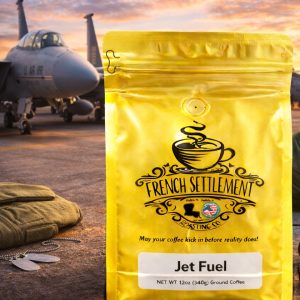
Jet Fuel
A bold organic espresso blend with dark chocolate, smooth vanilla, cinnamon, earthy undertones, low acidity, and a strong caffeine kick.
Bloody Angola Blend
Bold, full-bodied, smooth, and built for customers who want depth and strength. Excellent for drip, French press, espresso, and cold brew.
Simple Temperature Test to Try at Home
To understand how temperature changes flavor, brew the same coffee three times and change only the water temperature.
Try this test:
- Brew one cup around 195°F.
- Brew one cup around 200°F.
- Brew one cup around 205°F.
- Keep grind size, coffee amount, water amount, and brew time the same.
- Compare sourness, sweetness, bitterness, body, aroma, and finish.
You may notice cooler water tastes softer but thinner, hotter water tastes fuller but more bitter, and the middle temperature gives the best balance.
Use the Coffee-to-Water Calculator | Read the Coffee Grind Size Chart
Want Coffee Worth Dialing In?
Temperature control matters most when the coffee is fresh and flavorful. A monthly organic coffee subscription keeps fresh roasted coffee on hand so you can brew smoother, sweeter, better cups.
Frequently Asked Questions
What is the best temperature to brew coffee?
For most hot coffee methods, 195°F to 205°F is a good range. Around 200°F is the best starting point for most coffees.
Is boiling water too hot for coffee?
Boiling water can be too hot for some coffees, especially darker roasts. Letting water rest 30 to 60 seconds after boiling is a simple way to bring it closer to a better brewing range.
What happens if coffee water is too cool?
Water that is too cool may under extract coffee, making it taste sour, weak, thin, flat, or grassy.
What happens if coffee water is too hot?
Water that is too hot can over extract coffee or emphasize harsh flavors, making the cup taste bitter, dry, woody, burnt, or astringent.
Should light roast coffee be brewed hotter?
Often, yes. Light roasts are usually denser and less soluble than darker roasts, so they often benefit from hotter water near the upper end of the 195°F to 205°F range.
Should dark roast coffee be brewed cooler?
Often, yes. Darker roasts are more developed and extract easily, so slightly cooler water can help reduce bitterness and harshness.
What temperature should I use for French press?
Start around 200°F for French press. If the coffee tastes sour, try hotter water or a longer steep. If it tastes bitter, try slightly cooler water or a shorter steep.
What temperature should I use for pour over?
Start around 200°F for pour over. Use hotter water for lighter roasts or sour cups, and slightly cooler water if bitterness takes over.
Does cold brew need hot water?
No. Cold brew uses cold or room temperature water and extracts slowly over many hours. Ratio, grind size, steep time, and filtration matter more than hot water temperature.
You Might Also Like
Coffee Extraction Explained
Learn how water pulls flavor from ground coffee and why balance matters.
Under Extracted vs Over Extracted Coffee
Learn how to identify and fix sour, weak, bitter, or harsh coffee.
Coffee Bloom Explained
Learn why fresh coffee bubbles and how bloom improves extraction.
Coffee Grind Size Chart
Find the right grind size for pour over, drip, French press, cold brew, and espresso.
Coffee-to-Water Calculator
Calculate the right coffee ratio for your brewing method.
Coffee Roast Levels Explained
Understand how roast level changes solubility, bitterness, sweetness, and body.