
What Is Direct Trade Coffee?
Direct trade coffee is a sourcing approach built around stronger relationships, better transparency, higher quality standards, and more meaningful connections between coffee producers, importers, roasters, and coffee drinkers.
The Simple Answer
Direct trade coffee usually means coffee is purchased through a more direct relationship with the producer or producer group instead of being treated like a generic commodity. The goal is better coffee, better transparency, and better long-term relationships.
Unlike some certifications, direct trade is not one single universal program with one fixed rulebook. Different roasters and importers may use the term differently. That is why the most important question is not just, “Is this direct trade?” but “What does direct trade mean in this specific case?”
Why Direct Trade Coffee Matters
1. Better Quality Incentives
When producers are paid for quality, there is more incentive to harvest carefully, process well, dry properly, and protect the coffee from defects.
2. More Transparency
Direct trade can make it easier to understand where a coffee came from, who grew it, how it was processed, and why it costs what it costs.
3. Stronger Relationships
The best coffee relationships are not one-time transactions. They are built over time through trust, consistency, feedback, and repeat buying.
4. Better Farmer Recognition
Coffee is grown by real people in real places. Direct trade helps move coffee away from being treated as anonymous beans in a bag.
5. More Honest Pricing
High-quality coffee costs more because it requires better farming, careful harvesting, skilled processing, and a supply chain that values quality.
6. Better Coffee for Customers
When sourcing is more intentional, customers often get fresher, cleaner, more distinctive coffee with a better story behind the cup.

Direct Trade Is About More Than a Label
A label can be helpful, but coffee quality depends on the entire chain: farming, harvesting, processing, importing, roasting, freshness, and brewing.
That is why education matters. When you understand direct trade, organic coffee, altitude, processing, and origin differences, you can choose coffee with more confidence.
For a smooth, balanced everyday coffee, try FSRC Colombian Coffee. It features chocolate and cherry flavors with a creamy body, refined acidity, and a sweet finish.
Direct Trade vs Fair Trade vs Organic Coffee
| Term | What It Focuses On | What It Does Not Automatically Guarantee |
|---|---|---|
| Direct Trade | Relationships, transparency, quality incentives, and closer sourcing connections. | It is not one universal certification. You still need to know what the roaster means by it. |
| Fair Trade | Certification standards, minimum pricing structures, and producer protections through a formal system. | It does not automatically mean the coffee is the highest quality or roasted fresh. |
| Organic Coffee | How the coffee is grown, especially avoiding prohibited synthetic pesticides, fertilizers, and chemicals. | It does not automatically tell you the roast date, flavor quality, or producer relationship. |
| Specialty Coffee | Cup quality, grading, careful sourcing, clean flavor, and fewer defects. | It does not automatically mean the coffee is organic, fair trade, or direct trade. |
Beginner Guide: How to Think About Direct Trade
Think Relationship, Not Shortcut
Direct trade is not just a badge to put on a bag. It should mean the coffee has a clearer relationship behind it and that the people involved care about quality and transparency.
Think Quality, Not Just Price
Cheap coffee often hides the true cost of farming, labor, processing, transport, roasting, and freshness. Better coffee usually costs more because more care went into every step.
Think Freshness
Even great coffee can taste flat if it is stale. Direct trade may help explain sourcing, but roasting fresh is what brings that quality into your cup.
Think Transparency
The best roasters help you understand origin, roast level, tasting notes, brewing method, and why a coffee tastes the way it does.
Advanced Explanation: Why Direct Trade Is Complicated
Direct trade sounds simple, but the reality of coffee sourcing is complex. Coffee often moves through producers, cooperatives, mills, exporters, importers, warehouses, roasters, and retailers before it reaches the customer.
A small roaster may not personally visit every farm or buy every coffee directly from an individual farmer. In many cases, high-quality sourcing depends on trusted importers, cooperatives, producer groups, and long-term supply relationships.
That does not make the coffee less valuable. It simply means the phrase “direct trade” should be used carefully and honestly.
A stronger way to judge coffee is to ask:
- Is the origin clearly identified?
- Are tasting notes explained?
- Is the coffee roasted fresh?
- Does the roaster explain quality instead of hiding behind buzzwords?
- Does the coffee taste clean, smooth, and intentional?
- Does the price make sense for the quality?
- Does the company educate customers instead of only selling to them?
Direct trade is one valuable part of the coffee conversation, but the bigger goal is honest, high-quality coffee from farm to cup.
How Direct Trade Connects to Coffee Price
Coffee prices change for many reasons: harvest conditions, shipping, labor, fuel, packaging, demand, crop disease, quality level, and global market pressure.
Better coffee usually requires more careful work. Farmers may need to selectively pick ripe cherries, process the coffee carefully, dry it evenly, sort defects, and protect quality during storage and export.
Direct trade aims to recognize that work more clearly. Instead of treating coffee like a generic commodity, the goal is to reward quality, transparency, and consistency.
Which FSRC Coffees Should You Try?
If you want to explore fresh roasted coffee with clear flavor direction, these FSRC coffees are great starting points.

Organic Peru
Smooth, sweet, chocolatey, floral, creamy, and bright with citrus acidity. A great choice for customers who want a clean, approachable cup.
Organic Colombian
Chocolate and cherry flavors with a creamy body, refined acidity, and a naturally sweet finish. Excellent for everyday coffee drinkers.

Honduras
Milk chocolate, brown sugar, caramel, orange, and red apple notes. Smooth, balanced, and easy to enjoy.

Ethiopian
Floral, bright, and complex with molasses, peach, nectarine, star fruit, and a light tea-like body.
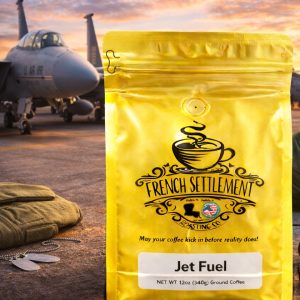
Jet Fuel
A bold organic espresso blend with dark chocolate, smooth vanilla, cinnamon, earthy undertones, low acidity, and a strong caffeine kick.
Bloody Angola Blend
Bold, full-bodied, smooth, and built for customers who want depth and strength. Excellent for drip, French press, espresso, and cold brew.
Direct Trade and Wholesale Coffee
Why Cafes Should Care
Cafes, restaurants, offices, and retailers need more than cheap coffee. They need consistent flavor, dependable supply, customer-friendly storytelling, and coffee that makes their business look better.
Why Customers Should Care
Better sourcing gives customers a reason to care about the cup. It creates a story that connects flavor, farming, roasting, freshness, and local business support.
Want Better Coffee Without Guessing?
A monthly organic coffee subscription is one of the easiest ways to enjoy fresh roasted specialty coffee without settling for stale grocery store bags.
Frequently Asked Questions
What is direct trade coffee?
Direct trade coffee is coffee sourced through a closer relationship between producers, importers, and roasters. The goal is usually better quality, more transparency, and stronger long-term relationships.
Is direct trade coffee a certification?
Not usually. Direct trade is generally not one universal certification with one fixed rulebook. Different companies may use the term differently, so transparency matters.
Is direct trade better than fair trade?
They are different. Fair trade is typically tied to formal certification standards. Direct trade focuses more on relationships, transparency, and quality incentives. One is not automatically better in every situation.
Does direct trade coffee taste better?
Direct trade can support better coffee because it often rewards quality, but taste still depends on variety, altitude, processing, roasting, freshness, and brewing.
Why does direct trade coffee cost more?
Better coffee often costs more because it requires careful farming, selective harvesting, quality processing, sorting, transport, roasting, packaging, and freshness.
Is organic coffee the same as direct trade coffee?
No. Organic coffee describes how coffee is grown. Direct trade describes the sourcing relationship. A coffee can be organic, direct trade, both, or neither.
What FSRC coffee should I try first?
For smooth daily coffee, try Organic Peru, Organic Colombian, or Honduras. For bold coffee, try Jet Fuel or Bloody Angola Blend.
You Might Also Like
Why Coffee Prices Change
Learn why coffee prices move and why quality coffee costs more than commodity coffee.
Why Organic Coffee Matters
Understand how organic farming connects to coffee quality, farms, and customers.
Shade Grown Coffee Explained
See how shade, soil, biodiversity, and slower cherry development affect coffee.
How Coffee Is Grown
Follow coffee from plant to cherry to green coffee bean.
What Is Single Origin Coffee?
Learn what single origin means and why origin matters in the cup.
Why Different Origins Taste Different
Learn how geography, climate, soil, variety, and processing change coffee flavor.