
Coffee Altitude Explained
Coffee altitude affects how coffee grows, ripens, and tastes. Higher-grown coffee is often associated with more sweetness, brightness, and complexity — but altitude is only one part of the story.
The Simple Answer
Coffee altitude refers to the elevation where coffee is grown, usually measured in feet or meters above sea level. Many specialty coffees are grown at higher elevations because cooler temperatures can slow the ripening process and help develop more complex flavor.
Altitude matters because coffee is an agricultural product. Where and how it grows affects what ends up in your cup.
Altitude at a Glance
These are general patterns. Coffee flavor also depends on variety, soil, rainfall, processing, roast level, freshness, and brewing.
| Growing Elevation | Common Flavor Direction | Common Characteristics | Best For |
|---|---|---|---|
| Lower Altitude Below about 3,000 ft |
Earthy, softer, lower acidity, heavier | Faster ripening, less brightness, sometimes more rustic | Bold coffee, darker roasts, low-acid preferences |
| Mid Altitude About 3,000–4,500 ft |
Balanced, smooth, nutty, chocolatey | Moderate acidity, approachable body, familiar flavor | Daily drip coffee, beginners, smooth cups |
| High Altitude About 4,500–6,000+ ft |
Bright, sweet, complex, fruity, floral | Slower ripening, denser beans, more acidity and structure | Pour over, single origin coffee, specialty coffee lovers |
Elevation ranges are approximate and can vary by country, climate, and coffee classification system.
A Simple Altitude Visual
Think of coffee growing altitude like a mountain. Cooler high elevations usually slow growth, while warmer low elevations usually ripen coffee faster.
Why Higher Altitude Can Change Coffee Flavor
At higher elevations, coffee often grows in cooler temperatures. Cooler temperatures can slow the ripening of the coffee cherry, giving the plant more time to develop sugars, structure, and complexity.
Slower Ripening
Slower growth can allow more flavor development in the coffee cherry before harvest.
Denser Beans
High-grown coffee often produces denser beans, which can influence roasting and flavor development.
More Brightness
Higher altitude coffees may have more noticeable acidity, brightness, or fruit-like character.
More Complexity
Many high-grown coffees show layered flavors like citrus, berry, floral, chocolate, or sweet notes.
Learn more: Coffee Flavor Wheel Explained
Does High Altitude Always Mean Better Coffee?
No. High altitude can be a sign of quality potential, but it does not automatically guarantee better coffee. A high-grown coffee can still be poorly harvested, poorly processed, poorly roasted, or brewed incorrectly.
Great coffee depends on many factors working together: coffee variety, soil, climate, ripeness, processing, roasting, freshness, grind size, brewing method, and personal taste.
What Does “High Grown” Coffee Mean?
“High grown” coffee usually means coffee grown at higher elevations. In some countries, you may also see terms like SHG, which stands for Strictly High Grown, or SHB, which stands for Strictly Hard Bean.
- High Grown: Coffee grown at higher elevation.
- SHG: Strictly High Grown, usually referring to coffee grown above a certain elevation standard.
- SHB: Strictly Hard Bean, often referring to dense beans grown at higher elevations.
- Hard Bean: A term connected to bean density and growing conditions.
These labels can be helpful, but they should not replace tasting the coffee. Flavor is the real test.
Altitude and Coffee Acidity
Higher altitude coffees often have more noticeable acidity. In coffee, acidity does not mean sourness when the coffee is roasted and brewed well. It can mean brightness, liveliness, fruit character, or a clean finish.
Full guide: Coffee Acidity Explained
Altitude and Roast Level
High-altitude coffee often has density and structure that can respond well to careful roasting. Roast level can either highlight origin character or create deeper chocolatey, caramelized, or roasted flavors.
| Roast Level | How It Can Affect High-Grown Coffee | Best For |
|---|---|---|
| Light Roast | May highlight acidity, fruit, floral notes, and origin character. | Pour over, tasting, adventurous coffee drinkers. |
| Medium Roast | Can balance sweetness, body, acidity, and origin character. | Drip coffee, beginners, daily brewing. |
| Medium-Dark Roast | May soften acidity and bring more chocolate, body, and depth. | French press, drip coffee, espresso-style drinks. |
| Dark Roast | Can emphasize roast flavor more than origin character. | Bold coffee lovers and traditional strong coffee flavor. |
Full guide: Coffee Roast Levels Explained
Altitude Is Only One Part of Origin
When people talk about coffee origin, altitude is only one piece of the puzzle. Two coffees grown at similar elevations can taste completely different.
Soil
Soil health, minerals, drainage, and farming practices can affect the coffee plant.
Climate
Rainfall, sunlight, temperature shifts, and humidity influence how coffee cherries ripen.
Processing
Washed, natural, and honey processing can dramatically change flavor.
Variety
Different coffee varieties can naturally produce different flavor traits.
Learn more: What Is Single Origin Coffee? and How Coffee Is Grown.
Best Brewing Methods for High-Altitude Coffee
High-altitude coffees often shine in brewing methods that highlight clarity, sweetness, and aroma.
Pour Over
Great for tasting clarity, brightness, sweetness, and origin character.
Drip Coffee
Great for balanced daily brewing when you want a clean, smooth cup.
French Press
Great for more body and richness, especially with medium or medium-dark roasts.
Coffee Picks To Explore Altitude and Flavor
To understand coffee flavor, start with fresh-roasted coffees that show smoothness, body, and character.
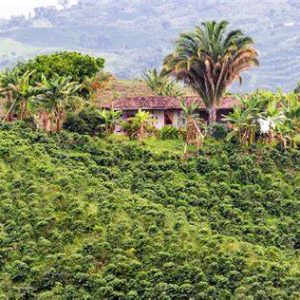
Colombian
Smooth, creamy, balanced, and naturally sweet with chocolate and cherry notes. Colombian is a great starting point for tasting how origin, elevation, and roast can shape a daily cup.
Shop Colombian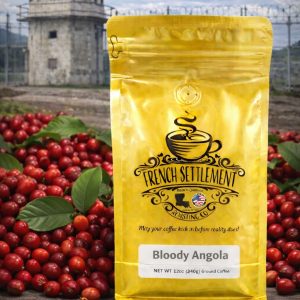
Bloody Angola Blend
Rich, bold, smooth, and full-bodied with deep chocolate notes and smoky undertones. A great comparison coffee for people who want more body and depth.
Shop Bloody Angola Blend
Jet Fuel
Bold, low-acid, medium-dark, and strong with dark chocolate, vanilla, cinnamon, and earthy notes. Built for coffee drinkers who want intensity with a smooth finish.
Shop Jet FuelHow To Taste Altitude Differences
The easiest way to learn is to compare coffees side by side. You do not need to be an expert — just pay attention to what you notice.
- Smell the coffee first: Notice chocolate, fruit, floral, nutty, earthy, or sweet aromas.
- Taste it black first: Even one sip can show brightness, body, and finish.
- Notice acidity: Does it feel bright, lively, soft, sharp, or smooth?
- Notice body: Is it light, creamy, rich, syrupy, or heavy?
- Compare origins: Different origins and elevations can taste very different.
- Use the same brewing method: This makes the comparison more fair.
Need a consistent recipe? Use our Coffee-to-Water Calculator.
The Bottom Line
Coffee altitude affects how coffee grows and can influence flavor, acidity, sweetness, density, and complexity.
Altitude is helpful to understand, but the real goal is simple: finding coffee that tastes good to you.
Ready To Explore Coffee Flavor?
Start with fresh-roasted coffee from French Settlement Roasting Co. and discover how origin, roast, and freshness shape every cup.
Shop Colombian Start a Coffee SubscriptionFrequently Asked Questions
What does coffee altitude mean?
Coffee altitude is the elevation where coffee is grown, usually measured in feet or meters above sea level.
Does higher altitude coffee taste better?
Not automatically. Higher altitude can create great flavor potential, but quality also depends on variety, soil, climate, processing, roasting, freshness, and brewing.
Why is high-altitude coffee often more expensive?
High-altitude coffee can be harder to grow and harvest, often grows more slowly, and is frequently associated with specialty coffee production.
What does SHG coffee mean?
SHG means Strictly High Grown. It is a term used in some coffee-producing countries to describe coffee grown above a certain elevation.
What does SHB coffee mean?
SHB means Strictly Hard Bean. It often refers to denser coffee beans grown at higher elevations.
Does altitude affect coffee acidity?
Yes. Higher-grown coffees often have more noticeable acidity or brightness, while lower-grown coffees may taste softer or less acidic.
What coffee should I try first?
Colombian is a great starting point because it is smooth, creamy, balanced, naturally sweet, and easy to enjoy.
Note: Coffee flavor depends on origin, altitude, variety, soil, climate, processing, roast level, freshness, grind size, brewing method, water, and personal preference.