
Under Extracted vs Over Extracted Coffee
Sour, weak, bitter, dry, harsh, or hollow coffee usually comes down to extraction. Learn how to tell whether your coffee is under extracted or over extracted — and how to fix it.
The Simple Answer
Under extracted coffee means water did not pull enough flavor from the grounds. It often tastes sour, sharp, thin, weak, salty, grassy, or hollow.
Over extracted coffee means water pulled too much from the grounds. It often tastes bitter, dry, harsh, woody, chalky, or astringent.
Quick Flavor Diagnosis
| Flavor Problem | Likely Cause | What It Means | First Fix to Try |
|---|---|---|---|
| Sour, sharp, thin | Under extracted | Not enough flavor was pulled from the grounds. | Grind finer. |
| Weak, watery, hollow | Under extracted or too diluted | The coffee may need more extraction or a better ratio. | Use the right coffee-to-water ratio. |
| Salty or grassy | Under extracted | The brew stopped before enough sweetness developed. | Brew longer or use hotter water. |
| Bitter, dry, harsh | Over extracted | Too much was pulled from the grounds. | Grind coarser. |
| Woody, chalky, astringent | Over extracted | Late-stage compounds are dominating the cup. | Shorten brew time or reduce agitation. |
| Sweet, smooth, balanced | Proper extraction | The brew has enough acidity, sweetness, body, and finish. | Keep the recipe consistent. |

Balanced Coffee Starts with Good Coffee
You can adjust grind size, brew time, water temperature, and ratio, but stale or low-quality coffee will always be harder to brew well.
Fresh roasted coffee gives you more sweetness, aroma, body, and flavor to work with. Once the coffee is fresh, extraction becomes much easier to dial in.
For a balanced everyday cup, try FSRC Colombian Coffee, featuring chocolate and cherry flavors with creamy body, refined acidity, and a sweet finish.
How to Fix Under Extracted Coffee
Under extracted coffee means the brew did not pull enough flavor from the grounds. The cup usually tastes sour before it tastes sweet.
Common signs of under extraction:
- Sour or sharp flavor
- Thin body
- Weak or watery cup
- Salty edge
- Grassy or green taste
- Hollow finish
- Lack of sweetness
Read: Coffee Grind Size Chart | Read: Coffee Bloom Explained | Use the Coffee-to-Water Calculator
How to Fix Over Extracted Coffee
Over extracted coffee means the brew pulled too much from the grounds. The cup usually tastes bitter, dry, or harsh instead of sweet and balanced.
Common signs of over extraction:
- Bitter flavor
- Dry mouthfeel
- Harsh finish
- Woody or burnt taste
- Chalky texture
- Astringency
- Flavor that feels flat but still bitter
Read: Why Does Coffee Taste Bitter? | Read: Coffee Brewing Temperature Guide
Beginner Guide: What to Adjust First
If It Tastes Sour
Extract more. Grind finer, brew longer, use hotter water, or improve saturation.
If It Tastes Bitter
Extract less. Grind coarser, brew shorter, use slightly cooler water, or reduce agitation.
If It Tastes Weak
Check your ratio first. Weak coffee may not have enough coffee for the amount of water used.
If It Tastes Harsh
Grind coarser or lower the water temperature slightly. Harshness often comes from over extraction.
If It Tastes Flat
Check freshness. Stale coffee can taste dull no matter how well you brew it.
If It Tastes Uneven
Improve saturation. Bloom the coffee, pour evenly, and avoid dry pockets in the coffee bed.
Extraction Fixes by Brewing Method
| Brew Method | If It Tastes Sour | If It Tastes Bitter | Related Guide |
|---|---|---|---|
| Pour Over | Grind finer, pour slower, bloom longer, or use hotter water. | Grind coarser, pour faster, reduce agitation, or shorten brew time. | Best Coffee for Pour Over |
| French Press | Steep longer, grind slightly finer, or use hotter water. | Steep shorter, grind coarser, or avoid over-agitating before plunging. | Best Coffee for French Press |
| Drip Coffee Maker | Use a slightly finer grind or check that grounds are evenly wet. | Use a coarser grind or avoid too much coffee sitting in the basket after brewing. | Best Coffee for Drip Coffee Makers |
| Espresso | Grind finer, increase yield time, or improve puck prep. | Grind coarser, shorten shot time, or reduce yield. | Best Coffee for Espresso |
| Cold Brew | Steep longer or use a slightly finer coarse grind. | Steep shorter, grind coarser, or dilute after brewing. | Best Coffee for Cold Brew |
| Iced Coffee | Brew stronger before pouring over ice. | Use less heat, avoid over-brewing, or account for ice dilution. | Best Coffee for Iced Coffee |
Advanced Explanation: Why Extraction Goes Wrong
Coffee extraction happens in stages. Early extraction brings acidity, brightness, and aromatics. Middle extraction brings sweetness, body, and balance. Late extraction brings more bitterness, dryness, and harshness.
Under extracted coffee usually stops too early, before enough sweetness and body develop. Over extracted coffee goes too far, allowing late-stage bitterness and dryness to dominate the cup.
Extraction problems usually come from:
- Wrong grind size
- Wrong water temperature
- Wrong brew time
- Uneven saturation
- Too much or too little agitation
- Incorrect coffee-to-water ratio
- Stale coffee
- Inconsistent pouring
- Poor espresso puck prep
- Using the wrong grind for the brew method
The goal is not to remove all acidity or all bitterness. Great coffee has balance. Pleasant acidity can make coffee lively. A small amount of bitterness can add structure. Problems happen when sourness or bitterness takes over.
Read: Coffee Acidity Explained | Read: What Makes Coffee Taste Smooth | Read: Coffee Extraction Explained
One-Variable Troubleshooting Test
If your coffee does not taste right, do not change everything at once. Change one variable, taste again, then adjust from there.
Try this simple test:
- Brew one cup using your normal recipe.
- If it tastes sour, brew again with a slightly finer grind.
- If it tastes bitter, brew again with a slightly coarser grind.
- Keep the coffee amount, water amount, water temperature, and brew time the same.
- Taste again and compare sweetness, acidity, bitterness, body, and finish.
Read the Coffee Grind Size Chart | Use the Coffee-to-Water Calculator
Which FSRC Coffees Should You Try?
Troubleshooting is easier when you start with fresh roasted coffee that has clear flavor direction. These FSRC coffees are great for learning balance, sweetness, body, and extraction.
Colombian
Chocolate and cherry flavors with a creamy body, refined acidity, and a sweet finish. A balanced coffee for learning smooth extraction.

Ethiopian
Floral, bright, and complex with molasses, peach, nectarine, star fruit, and a light tea-like body. Great for learning how acidity and clarity should taste.

Honduras
Milk chocolate, brown sugar, caramel, orange, and red apple notes. Smooth, approachable, and excellent for everyday brewing.

Peru
Smooth, sweet, chocolatey, floral, creamy, and bright with citrus acidity. A clean daily coffee with approachable specialty character.

Jet Fuel
A bold organic espresso blend with dark chocolate, smooth vanilla, cinnamon, earthy undertones, low acidity, and a strong caffeine kick.
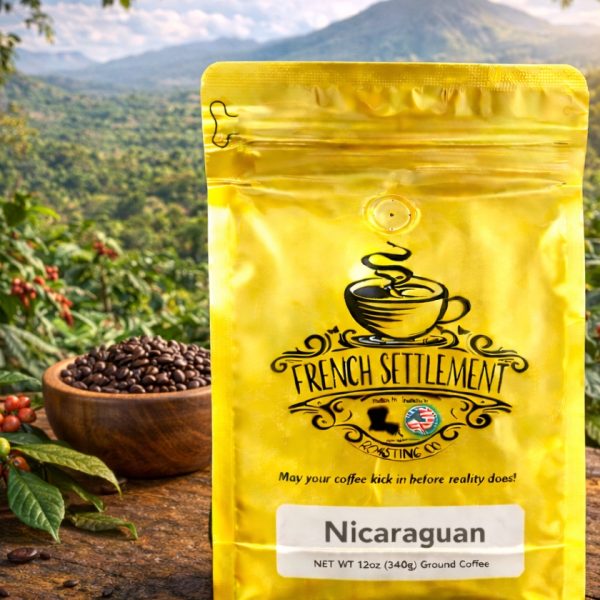
Bloody Angola Blend
Bold, full-bodied, smooth, and built for customers who want depth and strength. Excellent for drip, French press, espresso, and cold brew.
Want Coffee That Is Easier to Brew Well?
Fresh roasted coffee gives you more sweetness, aroma, body, and balance to work with. A monthly organic coffee subscription keeps fresh coffee on hand so you can brew better cups with less guesswork.
Frequently Asked Questions
What is under extracted coffee?
Under extracted coffee is coffee that did not have enough flavor pulled from the grounds. It often tastes sour, sharp, thin, weak, salty, grassy, or hollow.
What is over extracted coffee?
Over extracted coffee is coffee that had too much pulled from the grounds. It often tastes bitter, dry, harsh, woody, chalky, or astringent.
How do I fix sour coffee?
Sour coffee usually needs more extraction. Try grinding finer, brewing longer, using hotter water, blooming the coffee, or improving saturation.
How do I fix bitter coffee?
Bitter coffee usually needs less extraction. Try grinding coarser, shortening brew time, using slightly cooler water, or reducing agitation.
Can coffee be both sour and bitter?
Yes. Coffee can taste both sour and bitter if extraction is uneven. Some grounds may be under extracted while others are over extracted. This often happens with uneven grind size, poor pouring, channeling, or dry pockets.
Does grind size affect extraction?
Yes. Finer coffee extracts faster. Coarser coffee extracts slower. Grind size is usually the best first adjustment when coffee tastes wrong.
Does water temperature affect extraction?
Yes. Hotter water extracts faster and can increase bitterness if pushed too far. Cooler water extracts slower and may cause sour or flat coffee if too low.
Why does my coffee taste weak?
Weak coffee may be under extracted, too diluted, ground too coarse, brewed too cool, or made with too little coffee. Start by checking your coffee-to-water ratio.
You Might Also Like
Coffee Extraction Explained
Learn how water pulls flavor from ground coffee and why balance matters.
Coffee Bloom Explained
Learn why fresh coffee bubbles and how bloom improves extraction.
Coffee Brewing Temperature Guide
See how water temperature affects sweetness, acidity, bitterness, and balance.
Coffee Grind Size Chart
Find the right grind size for pour over, drip, French press, cold brew, and espresso.
Why Does Coffee Taste Bitter?
Understand the causes of bitterness and how to brew a smoother cup.
What Makes Coffee Taste Smooth?
Learn why some coffees taste gentle, sweet, and low in harshness.