
What Is Micro-Lot Coffee?
Micro-lot coffee is a small, carefully separated batch of coffee that is kept apart because of its quality, unique flavor, farm location, variety, processing method, or limited availability.
The Simple Answer
Micro-lot coffee is coffee from a very specific, limited batch. Instead of combining coffee from many farms, regions, harvests, or processing styles into one large lot, a micro-lot is separated and preserved because it has something special about it.
That special quality could be the farm, the elevation, the coffee variety, the processing method, the harvest date, or the way the coffee tastes in the cup. Micro-lots are often used in specialty coffee because they allow roasters and customers to experience more precise, traceable, and unique coffees.
Why Micro-Lot Coffee Matters
1. More Traceability
Micro-lots usually tell a more specific story. Instead of only knowing the country, you may know the region, farm, producer group, elevation, variety, or processing method.
2. More Unique Flavor
Because micro-lots are separated from larger batches, they often highlight distinctive flavor notes that might disappear if blended into a larger lot.
3. Better Quality Separation
If a small batch cups especially well, separating it helps preserve that quality instead of mixing it with average coffee.
4. Limited Availability
Micro-lots are often small by nature. Once they are gone, they may not return in the exact same way.
5. Farmer Recognition
Micro-lots can help recognize the work of specific producers, farms, mills, or cooperatives that created an exceptional coffee.
6. Better Learning
Micro-lots help coffee drinkers understand how origin, altitude, processing, variety, and roasting change flavor.

Micro-Lots Are About Precision
Coffee is not just “coffee.” Two coffees from the same country can taste completely different depending on the farm, elevation, variety, rainfall, processing method, roast, and freshness.
Micro-lots make those differences easier to see. Instead of tasting a broad regional blend, you get a more focused expression of a specific coffee.
A bright, expressive coffee like FSRC Ethiopian Coffee is a great example of why origin character matters. It features floral sweetness, molasses, peach, nectarine, star fruit, and a light tea-like body.
Micro-Lot vs Single Origin vs Blend
| Term | What It Means | Best For |
|---|---|---|
| Micro-Lot Coffee | A small, separated batch chosen for quality, uniqueness, traceability, or limited availability. | Exploring rare, specific, distinctive coffees. |
| Single Origin Coffee | Coffee from one country, region, farm, cooperative, or producer group instead of multiple origins blended together. | Understanding how place affects flavor. |
| Blend | Coffee intentionally combined from multiple components to create balance, consistency, body, or a specific flavor goal. | Espresso, cold brew, daily drinking, consistency, and bold profiles. |
| Commodity Coffee | Coffee traded mainly as a bulk product, often with less emphasis on traceability, freshness, or specific flavor identity. | Low-cost mass-market coffee. |
Beginner Guide: Why Should You Care About Micro-Lots?
If You Like Trying New Coffees
Micro-lots are exciting because they are limited and unique. They give you a chance to taste something outside your normal daily coffee routine.
If You Want to Learn Coffee Flavor
Micro-lots make it easier to understand tasting notes, acidity, body, aroma, and finish because the coffee is more specific and less blended.
If You Care About Origin
Micro-lots can show how one region, farm, elevation, processing method, or variety changes the final cup.
If You Want Better Coffee
Micro-lots often come from coffee that was separated because it stood out. That can mean better sweetness, cleaner flavor, more complexity, or a more memorable cup.
Why Micro-Lot Coffee Usually Costs More
Micro-lot coffee often costs more because it requires more separation, more tracking, more quality control, and usually more careful production. Small lots may involve selective harvesting, detailed processing, slower drying, extra sorting, special storage, and more attention from the producer, importer, and roaster.
There is also less of it. A large lot can be spread across many bags and many customers. A micro-lot may be available only for a short time, which makes it harder to source, roast, and replace.
That higher price is not just about scarcity. It is often about the extra care needed to preserve quality from farm to cup.
Advanced Explanation: What Makes a Coffee a Micro-Lot?
In specialty coffee, a micro-lot is usually defined by separation and traceability. That separation can happen at several levels.
A micro-lot may be separated by:
- One farm
- One section of a farm
- One producer or family
- One cooperative delivery
- One coffee variety
- One harvest window
- One processing method
- One fermentation style
- One drying method
- One quality score or cupping result
The goal is to prevent a standout coffee from being lost in a larger blend or regional lot. If a specific batch tastes unusually sweet, clean, fruity, floral, or complex, separating it allows that character to remain intact.
However, micro-lot is not a regulated term in the same way some certifications are. That means responsible roasters should use the term carefully and explain what makes the coffee limited or special.
Read: What Is Direct Trade Coffee? | Read: What Is Coffee Cupping? | Read: Coffee Varieties Explained
Micro-Lots and Coffee Cupping
Cupping Helps Identify Standout Coffees
Coffee cupping is the professional tasting method used to evaluate aroma, sweetness, acidity, body, flavor, aftertaste, balance, and defects.
A coffee that stands out on the cupping table may be separated as a special lot because it has a cleaner cup, better sweetness, more complexity, or a unique flavor profile.
Micro-Lots Help Preserve Flavor Identity
If an excellent coffee is blended into a much larger batch, its unique flavor can disappear. Keeping it separate allows the coffee drinker to taste what made that small batch special.
That is part of what makes specialty coffee exciting: the details matter, and the cup tells a more specific story.
Which FSRC Coffees Should You Try?
Micro-lots are not always available year-round, but you can still explore origin character, limited releases, and specialty-grade differences through these FSRC coffees and subscriptions.
Ethiopian
Floral, bright, and complex with molasses, peach, nectarine, star fruit, and a light tea-like body. A great coffee for exploring distinctive origin character.

Colombian
Chocolate and cherry flavors with a creamy body, refined acidity, and a sweet finish. A smooth way to explore balance, sweetness, and origin clarity.

Honduras
Milk chocolate, brown sugar, caramel, orange, and red apple notes. Smooth, approachable, and excellent for everyday drinking.

Peru
Smooth, sweet, chocolatey, floral, creamy, and bright with citrus acidity. A clean daily coffee with approachable specialty character.
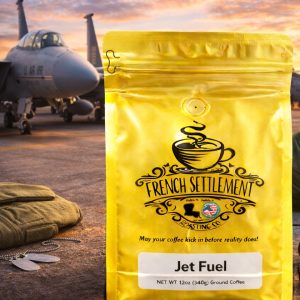
Jet Fuel
A bold organic espresso blend with dark chocolate, smooth vanilla, cinnamon, earthy undertones, low acidity, and a strong caffeine kick.
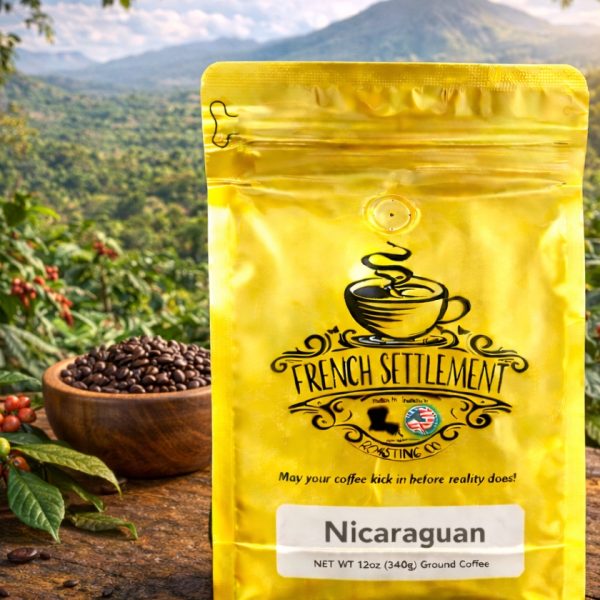
Bloody Angola Blend
Bold, full-bodied, smooth, and built for customers who want depth and strength. Excellent for drip, French press, espresso, and cold brew.
How to Taste Micro-Lot Style Differences at Home
You do not need to be a professional cupper to start noticing the kind of differences micro-lots are known for. The easiest way is to compare two coffees side by side.
Try this tasting method:
- Choose two different coffees.
- Use the same brewing method.
- Use the same coffee-to-water ratio.
- Use the same grind size.
- Use the same water temperature.
- Let both coffees cool slightly before judging flavor.
- Compare sweetness, acidity, body, aroma, and finish.
Try comparing Ethiopian against Peru, or Colombian against Honduras. You will start to notice how origin, processing, roast, and density create different cups.
Use the Coffee-to-Water Calculator | Read the Coffee Grind Size Chart
Want to Discover New Coffees Without Guessing?
A coffee subscription is one of the easiest ways to explore fresh roasted coffee, seasonal differences, origin character, and limited availability without having to choose a new bag every time.
Frequently Asked Questions
What is micro-lot coffee?
Micro-lot coffee is a small, separated batch of coffee selected because of its quality, unique flavor, traceability, processing method, farm location, or limited availability.
Is micro-lot coffee better?
Micro-lot coffee can be exceptional, but the term alone does not guarantee quality. It still depends on farming, harvesting, processing, roasting, freshness, and brewing.
Why is micro-lot coffee more expensive?
Micro-lots often cost more because they are smaller, more traceable, more carefully separated, and may require extra labor, quality control, processing, and storage.
Is micro-lot coffee the same as single origin coffee?
No. Single origin coffee comes from one country, region, farm, or producer group. A micro-lot is usually even more specific and limited than a general single origin coffee.
Is micro-lot coffee good for espresso?
It can be, depending on the coffee. Some micro-lots are better for pour over or drip because of their delicate flavors, while others may work beautifully as espresso.
Does French Settlement Roasting Co always have micro-lots?
Micro-lots and limited releases depend on availability. The best way to explore rotating coffees, fresh roasted options, and unique origin character is through FSRC coffee subscriptions.
You Might Also Like
What Is Direct Trade Coffee?
Learn how sourcing relationships, quality incentives, and transparency shape better coffee.
What Is Single Origin Coffee?
Understand how single origin coffee differs from blends and micro-lots.
Why Coffee Prices Change
See why specialty coffee prices move and why quality coffee costs more.
What Is Coffee Cupping?
Learn how professionals evaluate aroma, sweetness, acidity, body, and defects.
Coffee Bean Density Explained
See how density connects altitude, roasting, extraction, and flavor.
Why Different Origins Taste Different
Learn how geography, climate, soil, variety, and processing change coffee flavor.