
Coffee Varieties Explained
Bourbon, Typica, Geisha, Caturra, Catuai, Pacamara, and Timor Hybrid are all coffee varieties that can affect how coffee grows, tastes, and performs. Here is what coffee varieties mean and why they matter.
The Simple Answer
A coffee variety is a specific type of coffee plant. Just like apples have varieties such as Honeycrisp, Granny Smith, and Fuji, coffee has varieties such as Bourbon, Typica, Caturra, Geisha, Catuai, Pacamara, and many more.
Coffee variety is only one part of flavor. Origin, altitude, soil, climate, processing, roast level, freshness, grind size, and brewing method also shape the final cup.
Species vs. Variety: What Is the Difference?
Before talking about varieties, it helps to understand the difference between coffee species and coffee varieties.
| Term | What It Means | Example |
|---|---|---|
| Species | A major type of coffee plant. | Arabica, Robusta. |
| Variety | A specific genetic type within a coffee species. | Bourbon, Typica, Caturra, Geisha. |
| Cultivar | A cultivated variety selected or bred for certain traits. | Catuai, Catimor, many disease-resistant types. |
Full guide: Arabica VS Robusta Coffee
A Simple Coffee Variety Family Tree
Coffee genetics can get complicated, but here is a beginner-friendly way to think about it.
Coffee Plant Types at a Glance
Why Coffee Varieties Matter
Coffee varieties can influence both the farmer’s experience and the drinker’s experience.
Flavor Potential
Some varieties are known for sweetness, fruit notes, floral aroma, body, brightness, or complexity.
Plant Health
Some varieties are more resistant to disease, pests, wind, or difficult growing conditions.
Yield
Some varieties produce more coffee per tree, while others may produce less but offer higher cup quality.
Farm Decisions
Farmers choose varieties based on climate, altitude, disease pressure, flavor goals, and economics.
Coffee variety is one part of the bigger farm-to-cup story. Read: How Coffee Is Grown
Common Coffee Varieties Explained
These are some of the coffee varieties and cultivar names you may see when learning about specialty coffee.
| Variety | Simple Explanation | Common Flavor Direction |
|---|---|---|
| Typica | One of the oldest and most important Arabica varieties. | Clean, sweet, balanced, sometimes delicate. |
| Bourbon | A classic Arabica variety known for quality potential. | Sweet, round, balanced, sometimes fruity. |
| Caturra | A compact mutation of Bourbon, common in Latin America. | Bright, sweet, balanced, approachable. |
| Catuai | A productive hybrid often grown in Central and South America. | Clean, balanced, versatile, often chocolatey or nutty. |
| Geisha / Gesha | A famous variety known for exceptional aromatic potential. | Floral, tea-like, citrusy, complex, elegant. |
| Pacamara | A large-bean hybrid of Pacas and Maragogipe. | Complex, creamy, fruit-forward, sometimes spicy. |
| SL28 | A famous variety associated with many Kenyan coffees. | Bright, juicy, berry-like, complex. |
| Java | An old variety with historical roots and specialty potential. | Sweet, clean, sometimes floral or spicy. |
| Timor Hybrid | A natural Arabica-Robusta hybrid important for disease resistance. | Can vary widely; often valued for resilience and breeding history. |
Flavor notes are general tendencies, not guarantees. The final cup depends on origin, altitude, processing, roast level, freshness, and brewing.
Bourbon Coffee Variety
Bourbon is one of the most respected Arabica varieties in specialty coffee. It is known for strong cup quality potential and often produces coffee with sweetness, balance, and body.
Bourbon matters because many other coffee varieties and cultivars are connected to it. It is a classic example of how coffee genetics can influence flavor and farm performance.
Typica Coffee Variety
Typica is one of the foundational Arabica varieties. It has a long history and has influenced many coffee varieties grown around the world.
Typica is not always the highest-yielding plant, but it is respected for its cup quality potential.
Geisha or Gesha Coffee Variety
Geisha, also spelled Gesha, is one of the most famous coffee varieties in the specialty coffee world. It is known for highly aromatic, floral, tea-like, citrusy, and complex flavor profiles when grown in the right conditions.
Geisha coffees can be expensive because they are often limited, difficult to produce, highly sought after, and capable of exceptional cup quality.
Caturra and Catuai
Caturra and Catuai are common names in coffee-growing regions, especially in Latin America.
Caturra
Caturra is a compact mutation of Bourbon. Because it is smaller, it can be planted more densely and can be productive under the right conditions.
Catuai
Catuai is a hybrid often valued for productivity and adaptability. It can produce clean, balanced, approachable coffees.
Why They Matter
These varieties show how farmers balance flavor potential, plant size, yield, disease pressure, and growing conditions.
Timor Hybrid and Disease Resistance
Timor Hybrid is important because it is connected to both Arabica and Robusta genetics. It became especially valuable because of its disease resistance and its role in breeding newer coffee cultivars.
This is one reason Timor is such an interesting coffee origin. It has a unique place in coffee history and genetics.
Related guide: What Makes Timor Coffee Special?
Do Coffee Varieties Taste Different?
Yes, they can. But variety is only one part of the flavor equation. Two coffees of the same variety can taste different if they are grown in different countries, at different altitudes, processed differently, or roasted differently.
| Flavor Factor | How It Affects Coffee | Helpful Guide |
|---|---|---|
| Variety | Sets genetic potential for flavor, yield, and plant traits. | This page |
| Origin | Country, region, farm, soil, and climate shape the coffee. | What Is Single Origin Coffee? |
| Altitude | Can influence sweetness, acidity, density, and complexity. | Coffee Altitude Explained |
| Processing | Washed, natural, and honey process can change clarity, fruitiness, body, and sweetness. | How Coffee Is Processed |
| Roast Level | Changes acidity, sweetness, body, bitterness, and roast flavor. | Coffee Roast Levels Explained |
Why Farmers Choose Certain Coffee Varieties
Farmers do not choose coffee varieties based only on flavor. They also have to think about survival, yield, climate, disease, and economics.
- Flavor quality: Some varieties have stronger cup quality potential.
- Disease resistance: Some varieties handle coffee leaf rust and other diseases better.
- Yield: Productive varieties can help farms stay economically sustainable.
- Climate fit: Some varieties perform better in certain temperatures, elevations, or rainfall patterns.
- Plant size: Compact varieties may be easier to manage or plant more densely.
- Market demand: Famous varieties may command higher prices if quality is strong.
Coffee prices are shaped by farming realities too. Read: Why Coffee Prices Change
How Coffee Varieties Connect to Specialty Coffee
Specialty coffee is about quality, traceability, and flavor. Variety can help explain why certain coffees taste unique, why some are rare, and why some command higher prices.
Learn more: What Is Specialty Grade Coffee?
Coffees To Explore Variety, Origin, and Flavor
You do not need to memorize coffee varieties to enjoy great coffee. Start with fresh-roasted coffees that make flavor differences easy to notice.
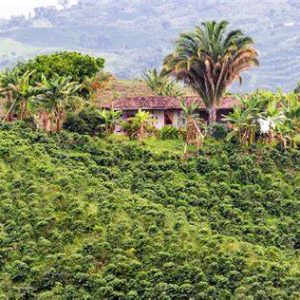
Colombian
Smooth, creamy, balanced, and naturally sweet with chocolate and cherry notes. Colombian is a great starting point for learning how origin, roast, and cup profile work together.
Shop Colombian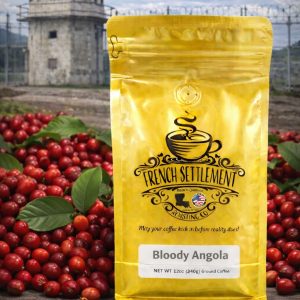
Bloody Angola Blend
Rich, bold, smooth, and full-bodied with deep chocolate notes and smoky undertones. A great comparison coffee for people who enjoy body, depth, and bold flavor.
Shop Bloody Angola Blend
Jet Fuel
Bold, low-acid, medium-dark, and strong with dark chocolate, vanilla, cinnamon, and earthy notes. Built for people who want intensity with a smooth finish.
Shop Jet FuelHow To Taste Coffee Varieties
The best way to learn is by comparing coffees side by side. Keep the brew method consistent so you can focus on the coffee itself.
- Choose two or three coffees: Different origins or profiles make comparison easier.
- Use the same brew method: Pour over, drip, or cupping are great options.
- Smell the coffee first: Notice chocolate, fruit, spice, floral, earthy, or nutty aromas.
- Taste for body: Is it light, creamy, syrupy, rich, or heavy?
- Taste for acidity: Is it bright, soft, citrusy, lively, or mellow?
- Notice the finish: Does it end clean, sweet, dry, smoky, or bitter?
Want to taste like a pro? Read: What Is Coffee Cupping?
The Bottom Line
Coffee varieties are different types of coffee plants. They can influence flavor, plant health, yield, disease resistance, and how coffee performs in different growing conditions.
You do not need to know every coffee variety to enjoy great coffee. But understanding varieties helps you appreciate the journey from plant to cup.
Ready To Explore Coffee Flavor?
Start with fresh-roasted coffee from French Settlement Roasting Co. and discover how origin, roast, and freshness shape every cup.
Shop Colombian Start a Coffee SubscriptionFrequently Asked Questions
What is a coffee variety?
A coffee variety is a specific type of coffee plant, similar to how apples have different varieties. Examples include Bourbon, Typica, Caturra, Geisha, and Catuai.
Do coffee varieties affect flavor?
Yes, coffee varieties can affect flavor potential, sweetness, acidity, body, aroma, and complexity. However, origin, processing, roast, freshness, and brewing also matter.
What is Bourbon coffee?
Bourbon is a respected Arabica variety known for strong cup quality potential, often showing sweetness, balance, body, and smoothness.
What is Typica coffee?
Typica is one of the foundational Arabica varieties and is known for clean, sweet, balanced cup quality when grown and processed well.
What is Geisha coffee?
Geisha, also called Gesha, is a famous coffee variety known for floral, tea-like, citrusy, delicate, and complex flavors.
What is Caturra coffee?
Caturra is a compact mutation of Bourbon that is common in Latin America and can produce bright, sweet, balanced coffee.
Why do farmers choose different coffee varieties?
Farmers choose varieties based on flavor quality, yield, disease resistance, climate, elevation, plant size, and market demand.
Note: Coffee flavor depends on variety, species, origin, altitude, soil, climate, processing, roast level, freshness, grind size, brewing method, water, and personal preference.