
Coffee Grind Size Chart
Grind size can make the difference between smooth, balanced coffee and coffee that tastes bitter, sour, weak, or muddy. Use this coffee grind size chart to match your grind to your brewing method.
The Simple Answer
Coffee grind size controls how quickly water extracts flavor from the coffee. Finer grinds extract faster. Coarser grinds extract slower.
If your coffee tastes bitter, the grind may be too fine or the brew may be extracting too much. If your coffee tastes sour, weak, or thin, the grind may be too coarse or the brew may not be extracting enough.
Coffee Grind Size Chart
Use this chart as a starting point. Different grinders, brewers, filters, and recipes may need small adjustments.
| Grind Size | Looks Like | Best Brewing Methods | If It Tastes Wrong |
|---|---|---|---|
| Extra Fine | Powdered sugar or flour | Turkish coffee | Too fine for most home brewers and can taste muddy or bitter. |
| Fine | Table salt | Espresso, moka pot | If bitter or slow, grind slightly coarser. If sour or fast, grind finer. |
| Medium-Fine | Fine sand | Pour over, AeroPress | If bitter, grind coarser. If weak or sour, grind finer. |
| Medium | Regular sand | Drip coffee makers, flat-bottom pour over | If bitter, grind coarser. If weak, grind finer or use more coffee. |
| Medium-Coarse | Rough sand | Chemex, some AeroPress recipes, larger pour over brewers | If thin or sour, grind finer. If harsh, grind coarser. |
| Coarse | Coarse sea salt | French press, cupping | If gritty or bitter, check brew time and avoid fine particles. |
| Extra Coarse | Peppercorn pieces | Cold brew | If weak, steep longer or grind slightly finer. |
Visual Grind Size Guide
Think of grind size as a scale from powdery fine to chunky coarse.
Why Grind Size Matters
Brewing coffee is extraction. Water pulls flavor, aroma, oils, acids, sweetness, and bitterness from the grounds. Grind size controls how fast that happens.
Fine Grind Extracts Faster
More surface area touches the water, so flavor extracts quickly. This is why espresso needs a fine grind.
Coarse Grind Extracts Slower
Larger particles extract more slowly. This is why French press and cold brew need coarse grinds.
Even Grind Means Better Coffee
Uneven grounds can cause sour and bitter flavors in the same cup. Consistency matters.
Grind Size by Brewing Method
Espresso
Use a fine grind. Espresso needs resistance so water extracts properly under pressure.
Drip Coffee Maker
Use a medium grind. This helps water flow evenly through the coffee bed.
French Press
Use a coarse grind. Fine grounds can create grit, mud, and bitterness.
Cold Brew
Use coarse to extra-coarse grind. Long steep times need slower extraction.
AeroPress
Use fine to medium grind depending on recipe. Shorter brews often use finer grind.
If Your Coffee Tastes Bitter, Sour, or Weak
Grind size is one of the easiest adjustments you can make when coffee does not taste right.
| Problem | Likely Cause | Grind Adjustment |
|---|---|---|
| Bitter or harsh | Over-extraction, grind too fine, brew too long | Grind coarser or shorten brew time |
| Sour or sharp | Under-extraction, grind too coarse, brew too fast | Grind finer or brew slightly longer |
| Weak or watery | Too coarse, too little coffee, too much water | Grind finer or use more coffee |
| Muddy or gritty | Too fine for immersion method or too many fines | Grind coarser and use a better filter if needed |
If bitterness is your main issue, read: Why Does Coffee Taste Bitter?
Whole Bean Coffee Gives You More Control
Whole bean coffee lets you grind fresh and adjust the grind for your brewing method. That usually gives you better aroma, better freshness, and more control over flavor.
Ground coffee is still convenient and can make a great cup, but whole bean gives you the most flexibility.
Full guide: Whole Bean vs Ground Coffee
Best Coffees To Grind Fresh
These French Settlement Roasting Co. coffees are great choices to buy whole bean and grind fresh for your favorite brewing method.
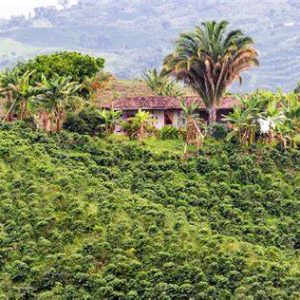
Colombian
Smooth, creamy, balanced, and naturally sweet with chocolate and cherry notes. A great coffee to grind fresh for drip, pour over, French press, and espresso.
Shop Colombian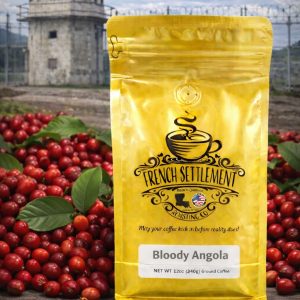
Bloody Angola Blend
Rich, bold, smooth, and full-bodied with deep chocolate notes and smoky undertones. Excellent for French press, cold brew, drip coffee, and espresso.
Shop Bloody Angola Blend
Jet Fuel
Bold, low-acid, medium-dark, and strong with dark chocolate, vanilla, cinnamon, and earthy notes. Great for espresso, drip coffee, and strong morning brews.
Shop Jet FuelBurr Grinder vs. Blade Grinder
If you grind coffee at home, the grinder matters. The goal is an even grind that matches your brewing method.
Burr Grinder
A burr grinder crushes coffee more evenly and gives you better control over grind size. This is the best option for consistent brewing.
Blade Grinder
A blade grinder chops coffee unevenly. It can still work, but the cup may be less consistent because some particles are fine and others are coarse.
No Grinder?
Fresh-roasted ground coffee is still a good choice. Just choose the grind that matches your brew method and store it properly.
How To Store Ground Coffee
Ground coffee loses freshness faster than whole bean coffee, so storage matters even more.
- Keep ground coffee sealed tightly.
- Store it in a cool, dry, dark cabinet.
- Avoid the refrigerator for daily coffee storage.
- Keep it away from heat, sunlight, moisture, and strong odors.
- Buy the amount you will use while it is fresh.
Full guide: How To Store Coffee Properly
The Bottom Line
Grind size affects extraction, flavor, strength, smoothness, bitterness, and clarity. The right grind helps your brewing method do its job.
Start with the recommended grind size, taste the coffee, then adjust from there. Better coffee comes from small improvements repeated consistently.
Ready To Grind Fresh Coffee?
Start with fresh-roasted whole bean coffee from French Settlement Roasting Co. and grind it for your favorite brewing method.
Shop Colombian Start a Coffee SubscriptionFrequently Asked Questions
What grind size should I use for drip coffee?
Use a medium grind for most drip coffee makers.
What grind size should I use for French press?
Use a coarse grind for French press. Fine grounds can make the coffee muddy, gritty, and bitter.
What grind size should I use for espresso?
Use a fine grind for espresso. If the shot runs too fast, grind finer. If it runs too slow or tastes bitter, grind slightly coarser.
What grind size should I use for cold brew?
Use coarse to extra-coarse grind for cold brew because it steeps for many hours.
What grind size should I use for pour over?
Use medium-fine to medium grind for pour over, then adjust based on taste and drawdown time.
Why does my coffee taste bitter?
Bitter coffee can come from a grind that is too fine, over-extraction, stale coffee, water that is too hot, or brewing too long.
Why does my coffee taste sour?
Sour coffee can come from a grind that is too coarse, under-extraction, water that is too cool, or brewing too fast.
Is whole bean better than ground coffee?
Whole bean coffee usually stays fresher longer and gives you more control because you can grind it for your brewing method.
Note: Grind size recommendations are starting points. Coffee flavor also depends on freshness, roast level, water, brew ratio, equipment, filter type, and personal preference.