
Best Coffee For Pour Over
The best coffee for pour over is fresh, balanced, aromatic, and ground correctly for a clean, flavorful cup. Here is how to choose the right coffee for pour over — and which French Settlement Roasting Co. coffees we recommend most.
The Simple Answer
The best coffee for pour over is usually a fresh light, medium, or balanced medium-dark roast with clear flavor, pleasant aroma, and a grind that allows controlled extraction.
Pour over gives you more control than a drip coffee maker. Because you control the water flow, timing, and extraction, the coffee’s freshness, grind size, and roast profile become even more noticeable.
Our Best Coffees For Pour Over
These French Settlement Roasting Co. coffees work well for pour over because they bring clarity, balance, smoothness, and flavor that can stand out in a clean cup.

Colombian
Smooth, creamy, balanced, and naturally sweet with chocolate and cherry notes. Colombian is an excellent pour over choice because it gives a clean, approachable cup without being too sharp or too heavy.
Best for: pour over, drip coffee, French press, espresso, and smooth daily brewing.
Shop Colombian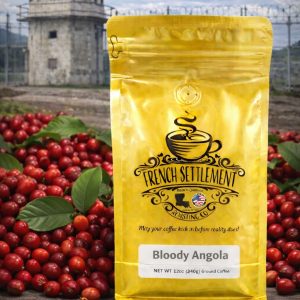
Bloody Angola Blend
Rich, bold, smooth, and full-bodied with deep chocolate notes and smoky undertones. Bloody Angola Blend is a great pour over option if you want more body and depth in a cleaner brew.
Best for: bold pour over, drip coffee, French press, cold brew, and espresso.
Shop Bloody Angola Blend
Jet Fuel
Bold, low-acid, medium-dark, and strong with dark chocolate, vanilla, cinnamon, and earthy notes. Jet Fuel works well as a pour over for coffee drinkers who want a stronger, deeper cup.
Best for: stronger pour over, drip coffee, espresso drinks, Americanos, and bold morning coffee.
Shop Jet FuelWhat Makes Coffee Good For Pour Over?
Pour over highlights clarity, aroma, and balance. Since the water passes through the coffee by hand, small changes in grind size, pour speed, and coffee freshness can make a big difference.
Fresh Roasted Coffee
Fresh coffee gives pour over better aroma, clearer flavor, and a smoother finish than stale coffee.
Balanced Flavor
Pour over works best when the coffee has sweetness, body, acidity, and smoothness in balance.
Proper Grind
Pour over usually needs a medium-fine to medium grind depending on the brewer and filter.
Clean Finish
Paper filters create a cleaner cup, so coffees with pleasant aroma and clear flavor shine especially well.
Low Harsh Bitterness
Pour over can become bitter if the grind is too fine, the water is too hot, or the brew takes too long.
Enough Body
A great pour over should feel flavorful and satisfying, not thin, watery, or sharp.
Best Roast Level For Pour Over
Pour over can work beautifully with light, medium, and medium-dark roasts. The best roast depends on whether you want brightness, balance, or body.
| Roast Level | Pour Over Flavor | Best For |
|---|---|---|
| Light Roast | Bright, fruity, floral, more acidic | People who enjoy lively, complex cups |
| Medium Roast | Smooth, balanced, sweet, approachable | Most pour over drinkers and daily brewing |
| Medium-Dark Roast | Richer, deeper, chocolatey, fuller-bodied | People who want body and smoothness |
| Dark Roast | Bold, roasty, smoky, heavier | People who prefer strong traditional flavor |
Full guide: Coffee Roast Levels Explained
Best Grind Size For Pour Over
Pour over usually works best with a medium-fine to medium grind. The exact grind depends on your brewer, filter, water flow, and brew time.
Whole bean coffee is especially helpful for pour over because you can adjust grind size as needed.
Full guide: Whole Bean vs Ground Coffee
How Much Coffee Should You Use For Pour Over?
A good starting point is about 1 gram of coffee for every 15 to 17 grams of water. Many people like pour over around a 1:16 ratio.
- Lighter cup: Try a 1:17 ratio.
- Balanced cup: Start around 1:16.
- Stronger cup: Try 1:15 or slightly stronger.
- Most consistent method: Measure by weight instead of guessing with scoops.
Need exact measurements? Use our Coffee-to-Water Calculator.
Pour Over vs. Drip Coffee
Pour over and drip coffee are both filter methods, but pour over gives you more control over the brewing process.
| Method | Flavor Style | Control | Best For |
|---|---|---|---|
| Pour Over | Clean, detailed, balanced, aromatic | More control over pour, timing, and extraction | People who enjoy hands-on brewing and flavor clarity |
| Drip Coffee Maker | Familiar, convenient, consistent daily cup | Less manual control, easier routine | Households, offices, and quick morning coffee |
Prefer automatic brewing? Read: Best Coffee For Drip Coffee Makers
Common Pour Over Mistakes
If your pour over coffee tastes bitter, sour, weak, or flat, one of these problems is usually the reason.
- Grinding too fine: Water drains too slowly and the cup can taste bitter.
- Grinding too coarse: Water drains too quickly and the cup can taste weak or sour.
- Using stale coffee: Old coffee tastes flat and dull.
- Pouring unevenly: Uneven saturation can cause uneven extraction.
- Using water that is too hot: This can increase harshness and bitterness.
- Skipping the bloom: Fresh coffee benefits from a short bloom before the main pour.
- Not measuring: Guessing can lead to inconsistent cups.
If bitterness is the issue, read: Why Does Coffee Taste Bitter?
How To Make Pour Over Coffee Taste Smoother
Pour over is known for clarity, but it can also be smooth when you start with the right coffee and avoid over-extraction.
- Use fresh-roasted coffee.
- Use whole bean coffee and grind right before brewing when possible.
- Start with a medium roast for balance.
- Use a consistent coffee-to-water ratio.
- Adjust grind size based on taste and drain time.
- Pour evenly to saturate all the grounds.
- Use clean equipment and good-tasting water.
Learn more: What Makes Coffee Taste Smooth?
Why Fresh Coffee Matters For Pour Over
Pour over is one of the best ways to taste the details in coffee. That is great when the coffee is fresh and flavorful — but stale coffee can taste flat, papery, or lifeless.
Learn more: Why Fresh Roasted Coffee Tastes Better and How To Store Coffee Properly.
Best Pour Over Coffee For Beginners
If you are new to pour over, start with a smooth, balanced coffee instead of a very bright or highly acidic coffee.
If you want a bolder pour over, choose Bloody Angola Blend. If you want a stronger cup, choose Jet Fuel.
Full guide: Best Coffee For Beginners
The Bottom Line
The best coffee for pour over is fresh, aromatic, balanced, and ground correctly. Medium roast is usually the easiest place to start, while medium-dark coffee can create a richer and smoother cup.
Pour over rewards fresh coffee and careful brewing. Start with good beans, grind properly, measure your ratio, and adjust from there.
Ready To Brew Better Pour Over Coffee?
Start with fresh-roasted coffee that is smooth, balanced, and flavorful enough to shine in a clean cup.
Shop Colombian Start a Coffee SubscriptionFrequently Asked Questions
What coffee is best for pour over?
The best coffee for pour over is fresh, balanced, aromatic, and ground correctly. Medium roast is usually a great starting point for most people.
What French Settlement Roasting Co. coffee is best for pour over?
Colombian is our top everyday pour over pick. Bloody Angola Blend is great for a bolder cup, and Jet Fuel is best for a stronger pour over.
What grind is best for pour over?
Pour over usually works best with a medium-fine to medium grind. Adjust finer if the coffee tastes weak or sour, and coarser if it tastes bitter or drains too slowly.
Is light roast best for pour over?
Light roast can be excellent for pour over if you enjoy brighter, fruitier coffee. Medium roast is usually easier and more balanced for everyday drinking.
Is whole bean better for pour over?
Whole bean is usually best because you can grind fresh and adjust grind size for your brewer.
Why does my pour over taste bitter?
Pour over can taste bitter if the grind is too fine, water is too hot, brew time is too long, coffee is stale, or the extraction is uneven.
Why does my pour over taste weak?
Weak pour over can come from too coarse a grind, not enough coffee, too much water, fast drainage, or stale coffee.
How much coffee should I use for pour over?
A good starting point is a 1:16 coffee-to-water ratio, then adjust stronger or lighter based on taste.
Note: Pour over flavor depends on coffee quality, freshness, roast level, grind size, water temperature, pour technique, filter type, brew ratio, and personal preference.