
How Coffee Is Grown
Coffee begins as a seed, grows into a tree, produces coffee cherries, and eventually becomes the roasted coffee you brew at home. Here is the journey from coffee plant to cup.
The Simple Answer
Coffee is grown on trees or shrubs in warm climates around the world. The coffee we roast and brew is actually the seed inside a fruit called a coffee cherry.
Every cup of coffee starts long before roasting. Origin, elevation, soil, climate, farming practices, processing, roasting, and brewing all shape how the final coffee tastes.
From Seed to Cup
Here is the coffee journey in its simplest form.
The Coffee Journey
Where Coffee Grows
Coffee grows best in warm regions near the equator, often called the Coffee Belt. This includes parts of Central America, South America, Africa, and Asia.
Climate
Coffee plants usually need warm temperatures, rainfall, and stable growing conditions.
Elevation
Many specialty coffees are grown at higher elevations, where slower growth can help develop sweetness, acidity, and complexity.
Soil
Soil type, minerals, drainage, and farming practices can all influence how coffee develops.
Origin
Coffee from different countries and regions can taste very different because growing conditions vary.
Learn more: What Is Single Origin Coffee?
The Coffee Plant Life Cycle
Coffee takes time, care, and patience to grow. The process starts with a seed and eventually produces coffee cherries.
1. Coffee Seeds Are Planted
Coffee begins as a seed, often planted in a nursery where young plants can be protected while they develop.
2. Seedlings Grow in a Nursery
Young coffee plants grow stronger before being moved into the field. This stage helps farmers protect the plants early in life.
3. Coffee Trees Mature
Coffee plants take time to mature before they produce meaningful fruit. Healthy trees can continue producing for years with proper care.
4. Coffee Flowers Bloom
Coffee plants produce small white flowers. After flowering, cherries begin to develop.
5. Coffee Cherries Ripen
Coffee cherries usually ripen from green to red, yellow, or orange depending on variety. Inside each cherry are the seeds that become coffee beans.
6. Coffee Is Harvested
Ripe cherries are picked by hand or by machine depending on the farm, terrain, labor, and quality goals.
Coffee Beans Are Actually Seeds
The “coffee bean” is not technically a bean. It is the seed inside the coffee cherry. Most coffee cherries contain two seeds, though some contain one round seed called a peaberry.
This is one reason coffee can have fruit-like tasting notes. The plant, variety, ripeness, processing, and roasting can all influence what you taste.
Related guide: Coffee Flavor Wheel Explained
How Coffee Is Harvested
Coffee harvesting depends on the region, farm, terrain, and quality goals.
| Harvest Method | How It Works | Common Use |
|---|---|---|
| Selective Picking | Only ripe cherries are picked, often by hand. | Common for specialty coffee and steep terrain. |
| Strip Picking | Cherries are removed from branches all at once. | Can be faster, but may include uneven ripeness. |
| Mechanical Harvesting | Machines shake or remove cherries from the trees. | More common on flatter farms with larger production. |
Ripe, carefully harvested coffee usually gives producers a better chance of creating clean, sweet, high-quality coffee.
What Happens After Harvest?
Once coffee cherries are picked, they must be processed. Processing removes the coffee seeds from the fruit and prepares them for drying, milling, export, roasting, and brewing.
Washed Process
Fruit is removed before drying, often creating a cleaner and brighter cup.
Natural Process
Whole cherries dry with the fruit still around the seed, often creating fruitier and heavier-bodied flavors.
Honey Process
Some fruit mucilage stays on the seed while it dries, often creating sweetness, body, and balance.
Full guide: How Coffee Is Processed
How Growing Conditions Affect Flavor
Coffee flavor begins at the farm. Growing conditions can influence sweetness, acidity, body, aroma, and complexity.
| Growing Factor | How It Can Affect Coffee | Flavor Connection |
|---|---|---|
| Elevation | Higher elevations often slow growth and can increase complexity. | Brightness, sweetness, structure. |
| Soil | Soil health and minerals can influence plant development. | Depth, balance, complexity. |
| Climate | Rainfall, temperature, and sunlight affect how cherries ripen. | Sweetness, body, acidity. |
| Variety | Different coffee varieties can have different natural traits. | Flavor profile, yield, disease resistance. |
| Ripeness | Ripe cherries usually produce better flavor than under-ripe or over-ripe fruit. | Sweetness, clarity, smoothness. |
These are general patterns. Final coffee flavor also depends on processing, roasting, freshness, grind size, brewing method, and personal preference.
Arabica vs. Robusta Coffee Plants
The two most common coffee species are Arabica and Robusta. They grow differently, taste different, and are often used for different purposes.
Arabica
Arabica is commonly associated with specialty coffee because it can produce smoother, sweeter, more complex flavor when grown and roasted well.
Robusta
Robusta is generally hardier and often higher in caffeine, but it can taste stronger, more bitter, or more earthy depending on quality and roast.
Why It Matters
The species of coffee plant is one of the first decisions that shapes the final cup.
Full guide: Arabica VS Robusta Coffee
Organic Coffee and Farming Practices
Farming practices matter. Organic coffee focuses on growing coffee without synthetic pesticides or fertilizers, while supporting soil health and more thoughtful agricultural practices.
Learn more: Why Organic Coffee Matters
From Green Coffee to Roasted Coffee
After coffee is harvested, processed, dried, and prepared for export, it is still green coffee. Green coffee does not smell or taste like the roasted coffee most people recognize.
1. Green Coffee Arrives at the Roaster
Roasters receive green coffee and decide how to roast it based on the coffee’s origin, density, moisture, and flavor goals.
2. Coffee Is Roasted
Heat transforms green coffee into roasted coffee, developing aroma, body, sweetness, acidity, and roast flavor.
3. Coffee Is Rested, Packed, and Brewed
Fresh roasted coffee is packaged and brewed while it still has the aroma and flavor that makes coffee taste alive.
Related guide: Coffee Roast Levels Explained
Coffee Picks To Explore Origin and Flavor
Once you understand how coffee is grown, it becomes easier to appreciate the differences between origins, blends, and roast styles.
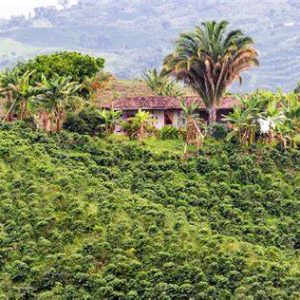
Colombian
Smooth, creamy, balanced, and naturally sweet with chocolate and cherry notes. Colombian is a great starting point for understanding single origin coffee and daily smooth flavor.
Shop Colombian
Bloody Angola Blend
Rich, bold, smooth, and full-bodied with deep chocolate notes and smoky undertones. A great choice if you enjoy a deeper, bolder cup.
Shop Bloody Angola Blend
Jet Fuel
Bold, low-acid, medium-dark, and strong with dark chocolate, vanilla, cinnamon, and earthy notes. Built for people who want intensity with a smooth finish.
Shop Jet FuelWhy Freshness Still Matters
Coffee may begin at the farm, but freshness determines how much of that flavor makes it into your cup. Even great coffee can taste dull if it is stale or stored poorly.
Helpful guides: Why Fresh Roasted Coffee Tastes Better and How To Store Coffee Properly.
The Bottom Line
Coffee is grown as a fruit on trees or shrubs. The seeds inside the coffee cherries are harvested, processed, dried, exported, roasted, ground, and brewed.
The more you understand the journey, the more you can appreciate what is in your cup.
Ready To Taste Coffee With a Story?
Start with fresh-roasted coffee from French Settlement Roasting Co. and taste how origin, roast, and freshness come together.
Shop Colombian Start a Coffee SubscriptionFrequently Asked Questions
Does coffee grow on trees?
Yes. Coffee grows on trees or shrubs that produce coffee cherries. The coffee beans we roast are the seeds inside those cherries.
Is coffee a fruit?
Yes. Coffee grows as a fruit called a coffee cherry. The roasted coffee bean is the roasted seed from inside that fruit.
Where is coffee grown?
Coffee is grown in warm regions near the equator, including parts of Central America, South America, Africa, and Asia.
How long does coffee take to grow?
Coffee plants take years to mature before producing meaningful fruit, and each harvest requires careful growing, picking, processing, drying, and preparation.
What happens after coffee is harvested?
After harvest, coffee cherries are processed to remove the seeds, then dried, milled, exported, roasted, ground, and brewed.
Does where coffee is grown affect flavor?
Yes. Origin, climate, elevation, soil, variety, ripeness, processing, and roasting all affect coffee flavor.
What French Settlement Roasting Co. coffee should I try first?
Colombian is a great starting point because it is smooth, creamy, balanced, naturally sweet, and easy to enjoy.
Note: Coffee flavor depends on origin, variety, elevation, farming practices, processing, roast level, freshness, grind size, brewing method, water, and personal preference.