
How Coffee Is Decaffeinated
Decaf coffee starts as regular coffee, then most of the caffeine is removed before roasting. Here is how decaffeination works, what the main methods are, and how to choose decaf that still tastes smooth and flavorful.
The Simple Answer
Coffee is decaffeinated while it is still green coffee, before roasting. The goal is to remove most of the caffeine while preserving as much of the coffee’s flavor, aroma, and body as possible.
Decaf is not caffeine-free, but it usually has much less caffeine than regular coffee. The exact amount can vary by coffee, process, serving size, and brewing method.
Is Decaf Coffee Completely Caffeine-Free?
No. Decaf coffee still contains a small amount of caffeine. It is better to think of decaf as “much lower caffeine” instead of “zero caffeine.”
If you are highly sensitive to caffeine or avoiding caffeine for medical reasons, it is best to speak with a qualified medical professional about what is right for you.
Want the full caffeine breakdown? Read: How Much Caffeine Is In Coffee?
The Main Decaffeination Methods
Most decaf coffee is made using one of several common methods. Each method removes caffeine differently and can affect flavor in different ways.
| Method | How It Works | Flavor Impact | Common Appeal |
|---|---|---|---|
| Swiss Water Process | Uses water, temperature, time, and filtration to remove caffeine. | Often clean and smooth when done well. | Popular with people who want a water-process decaf. |
| Mountain Water Process | Similar idea to water processing, using water and filtration. | Can preserve sweetness and body well. | Another water-based option. |
| CO2 Process | Uses pressurized carbon dioxide to target caffeine. | Can preserve flavor well. | Often used for larger-scale decaf production. |
| Solvent-Based Process | Uses approved solvents to bond with and remove caffeine. | Can be efficient, but some customers prefer water process. | Common in commercial decaf coffee. |
These are general explanations. Flavor depends on the quality of the green coffee, decaffeination method, roasting, freshness, and brewing.
Swiss Water Process Decaf
Swiss Water Process is one of the best-known decaffeination methods. It uses water and filtration instead of traditional chemical solvents to remove caffeine from green coffee.
1. Green coffee is prepared
The coffee is still unroasted when decaffeination begins.
2. Caffeine is drawn out
Water, temperature, and time help draw caffeine from the coffee.
3. Caffeine is filtered
Special filtration removes caffeine while aiming to preserve flavor compounds.
4. Coffee is dried and roasted
The decaffeinated green coffee is dried, shipped, roasted, and brewed like regular coffee.
Does Decaf Coffee Taste Different?
Decaf can taste slightly different from regular coffee because the decaffeination process changes the green coffee before roasting. But good decaf can still be smooth, rich, and enjoyable.
Quality Matters
Better green coffee usually makes better decaf. Decaf should not be treated as an afterthought.
Roasting Matters
Decaf coffee roasts differently than regular coffee, so careful roasting is important for smooth flavor.
Freshness Matters
Fresh-roasted decaf tastes better than stale decaf, just like regular coffee.
Learn more: Why Fresh Roasted Coffee Tastes Better
Is Decaf Coffee Less Bitter?
Decaf is not automatically less bitter. Bitterness depends on coffee quality, roast level, freshness, grind size, brewing method, and extraction.
If decaf tastes harsh, the problem may be stale coffee, over-roasting, over-extraction, poor storage, or a grind that does not match the brewing method.
Helpful guide: Why Does Coffee Taste Bitter?
Decaf vs. Half-Caff Coffee
Decaf and half-caff are not the same. Decaf is coffee with most caffeine removed. Half-caff is usually a blend of regular coffee and decaf coffee, giving you less caffeine than regular coffee but more than decaf.
| Type | Caffeine Level | Best For |
|---|---|---|
| Regular Coffee | Highest of the three | People who want the full caffeine experience. |
| Half-Caff Coffee | About halfway between regular and decaf | People who want real coffee flavor with less caffeine. |
| Decaf Coffee | Much lower caffeine | Evening coffee, caffeine-sensitive drinkers, or anyone cutting back. |
Half-caff is a great middle ground if you still want some caffeine but less than a regular cup.
When Should You Choose Decaf?
Decaf can be a great choice when you want the taste and ritual of coffee without as much caffeine.
- You want coffee later in the day.
- You are trying to reduce caffeine.
- You enjoy the taste of coffee but not the caffeine effect.
- You want a warm evening cup without a full caffeine serving.
- You want to drink more coffee without adding as much caffeine.
Best Brewing Methods for Decaf Coffee
Decaf can be brewed the same ways as regular coffee. The key is choosing fresh coffee, using the right grind, and avoiding over-extraction.
Drip Coffee
A simple, easy way to enjoy decaf every day. Use a medium grind and fresh coffee.
French Press
Good for a richer, fuller-bodied decaf cup. Use a coarse grind and avoid steeping too long.
Pour Over
Great when you want a cleaner decaf cup with more control over flavor.
Need the right grind? Read: Coffee Grind Size Chart
Does Roast Level Matter for Decaf?
Yes. Roast level affects decaf just like regular coffee. A good decaf roast should bring out sweetness, body, and smoothness without tasting burnt or flat.
- Light roast decaf: Can taste brighter, but may feel sharper to some drinkers.
- Medium roast decaf: Often balanced, smooth, and approachable.
- Medium-dark roast decaf: Often richer, fuller, and more chocolatey.
- Dark roast decaf: Can be bold, but may taste bitter if over-roasted.
Full guide: Coffee Roast Levels Explained
Our Lower-Caffeine Coffee Pick
If you want less caffeine but still want a smooth coffee routine, half-caff can be a very practical option.
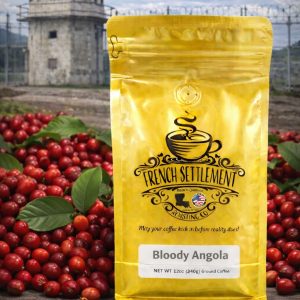
Half Caff Organic Swiss Water Processed
A great choice when you want real coffee flavor with less caffeine than a regular cup. Half-caff is especially helpful for afternoon coffee, caffeine-sensitive drinkers, or anyone trying to cut back without giving up coffee.
Shop Half Caff
Colombian
Smooth, creamy, balanced, and naturally sweet with chocolate and cherry notes. A great regular coffee option if you want a smooth daily cup.
Shop Colombian
Jet Fuel
Bold, low-acid, medium-dark, and strong with dark chocolate, vanilla, cinnamon, and earthy notes. A strong regular coffee choice for mornings.
Shop Jet FuelHow To Make Decaf Taste Better
If you have only had bad decaf, do not give up. Decaf can taste good when it is fresh, roasted well, and brewed correctly.
- Choose quality coffee: Good decaf starts with good green coffee.
- Look for a process you trust: Many people prefer water-processed decaf.
- Drink it fresh: Stale decaf tastes flat just like stale regular coffee.
- Use the right grind: Match grind size to your brewing method.
- Do not over-brew: Over-extracted decaf can taste harsh.
- Store it properly: Keep coffee sealed, cool, dry, and dark.
Full guide: How To Store Coffee Properly
The Bottom Line
Decaf coffee is made by removing most caffeine from green coffee before roasting. The main methods include water-based processes, carbon dioxide processing, and solvent-based processing.
If you want lower caffeine without fully switching to decaf, half-caff is a great middle ground.
Want Coffee Flavor With Less Caffeine?
Try Half Caff Organic Swiss Water Processed coffee for a smoother lower-caffeine option.
Shop Half Caff Start a Coffee SubscriptionFrequently Asked Questions
How is coffee decaffeinated?
Coffee is decaffeinated while it is still green coffee. Caffeine is removed using water-based, carbon dioxide, or solvent-based methods before the coffee is roasted.
Is decaf coffee completely caffeine-free?
No. Decaf coffee still contains a small amount of caffeine, but much less than regular coffee.
What is Swiss Water Process decaf?
Swiss Water Process is a water-based decaffeination method that uses water, time, temperature, and filtration to remove caffeine from green coffee.
Does decaf coffee taste different?
It can. Decaffeination can affect the coffee, but high-quality decaf can still taste smooth, rich, and flavorful.
Is half-caff the same as decaf?
No. Half-caff usually blends regular coffee with decaf coffee, giving you less caffeine than regular coffee but more than decaf.
Is decaf coffee bitter?
Decaf is not automatically bitter. Bitterness usually comes from stale coffee, poor roasting, over-extraction, the wrong grind, or brewing too long.
What is the best lower-caffeine coffee from French Settlement Roasting Co.?
Half Caff Organic Swiss Water Processed is a great option when you want real coffee flavor with less caffeine than a regular cup.
Note: Caffeine sensitivity varies by person. If you are limiting caffeine for health reasons, ask a qualified medical professional what is appropriate for you.